UiB project leaves its mark on European music education
The Music4Change project has, over the past three years, created stronger connections between music education, research, and the cultural sector. Among the results are a new mentoring programme for early‑career researchers, open learning resources, and new arenas for collaboration.
Published:

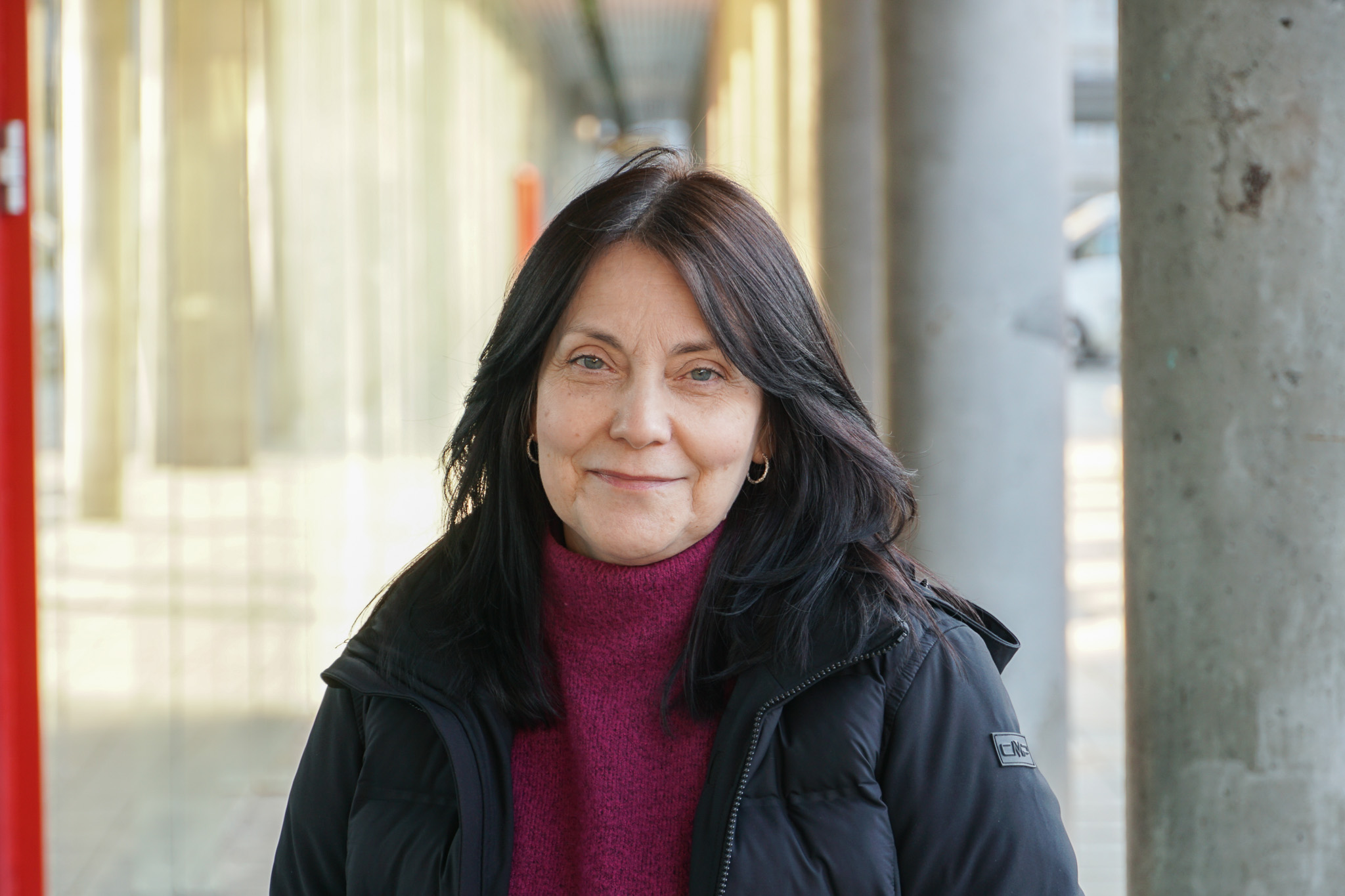
“There is enormous potential in working across disciplines and countries, and the impact becomes greater when academia, the cultural sector, and musicians’ organizations collaborate,” says music professor Jill Halstead, project leader for Music4Change. (external link)
In December 2025, the three‑year project, led by the Grieg Academy at the University of Bergen, entered its final phase.
Mentorship programme provided career benefits
One of the main initiatives in Music4Change has been a pilot mentoring scheme for PhD candidates in the early stages of their research careers.
The programme was led by the Serbian organization Creative Mentorship, which uses an arts‑based approach to personal and professional development. Participants reported increased confidence, clearer academic direction, and a better understanding of working life in the cultural sector.
For Tijs Ham, who completed a PhD in experimental music at the Grieg Academy and this autumn started as artistic director at nyMusikk, the mentorship programme was decisive.
“A PhD requires a lot of focus, so I think it was an advantage that my thesis was submitted before I joined the mentorship programme. That allowed me to concentrate on looking ahead.
I wanted to work with contemporary music or combine research, art, and curating. My mentor helped me reorient myself and made the transition less demanding,” Ham explains.
Improving conditions for musicians
The Music4Change project has aimed to strengthen knowledge about the role of the arts in achieving the Sustainable Development Goals.
One of the partners is the European Music Council, an organization working to improve conditions for musicians across Europe. EMC has been a key partner, representing 90 European music organizations from 28 countries.
Throughout the project period, international research schools, workshops, and “living labs” have been organized, bringing together performers, industry professionals, researchers, and students to discuss issues related to social and environmental sustainability in music research.
150 hours of open digital resources
One of the most concrete outcomes of the project is a digital learning platform with more than 150 hours of open resources. The content is organized under themes such as diversity and inclusion, sustainable cities and communities, interdisciplinary research, and sustainable innovation.
“Making these resources available to everyone can lower the threshold for participating in education and competence development,” says Halstead.
Explore the digital learning resources (external link)
Building a European alliance for sustainable music research
During the three‑year period, the project has laid a solid foundation for continued work at the Faculty of Fine Art, Music and Design (KMD) at the University of Bergen.
The experiences from Music4Change will not end with the project. The next step is to establish a strong European alliance for music researchers with a particular focus on sustainability.
“Cross‑sector collaboration works. Now we must build on the experience and ensure that music research and education become accessible to more people,” concludes the UiB professor.