

Breaking the Silence on Child Mental Health
TREAT INTERACT project brings child mental health to the forefront at Uganda’s national public health conferencethe 19th Joint Annual Scientific Health (JASH), held alongside the Ministry of Health’s 1st National Communicable and Non-Communicable Diseases Conference (NACNDC).
Published:
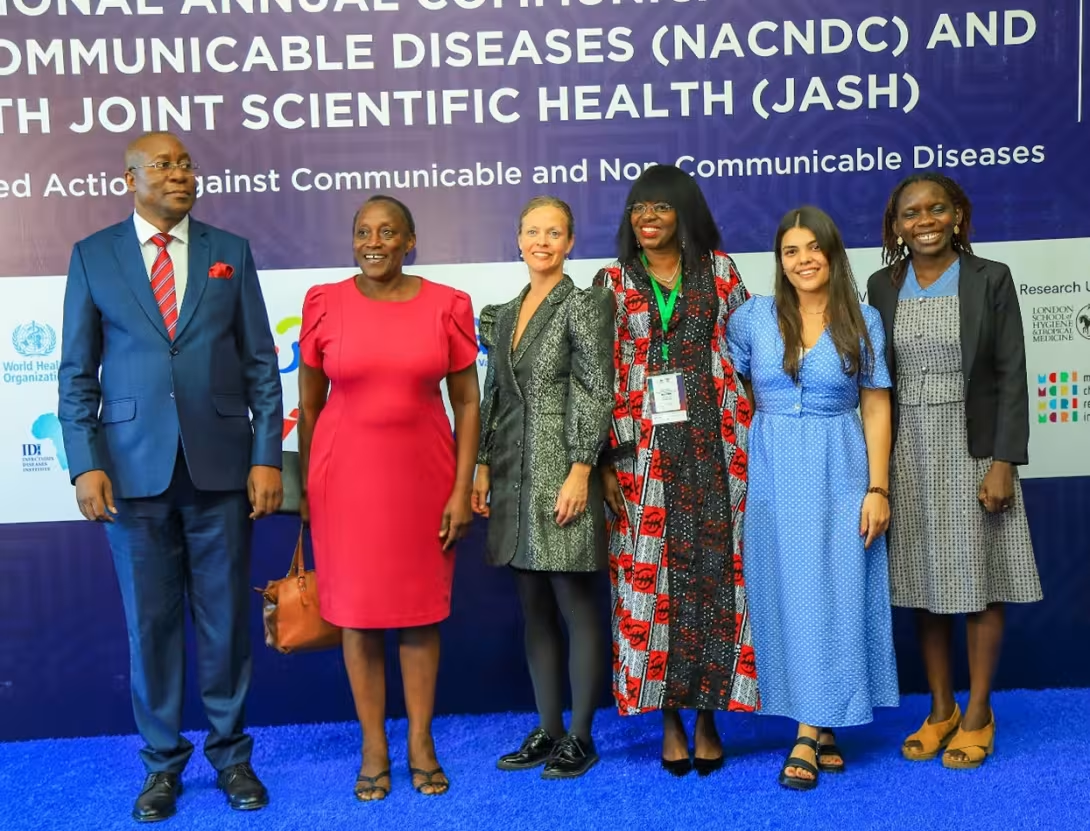
by: Tanzil Adam | 7th November 2025, Kampala, Uganda
While much attention tends to focus on adult health, the TREAT consortium directed national attention to a critically overlooked problem; alcohol and substance use among pre-adolescent children.
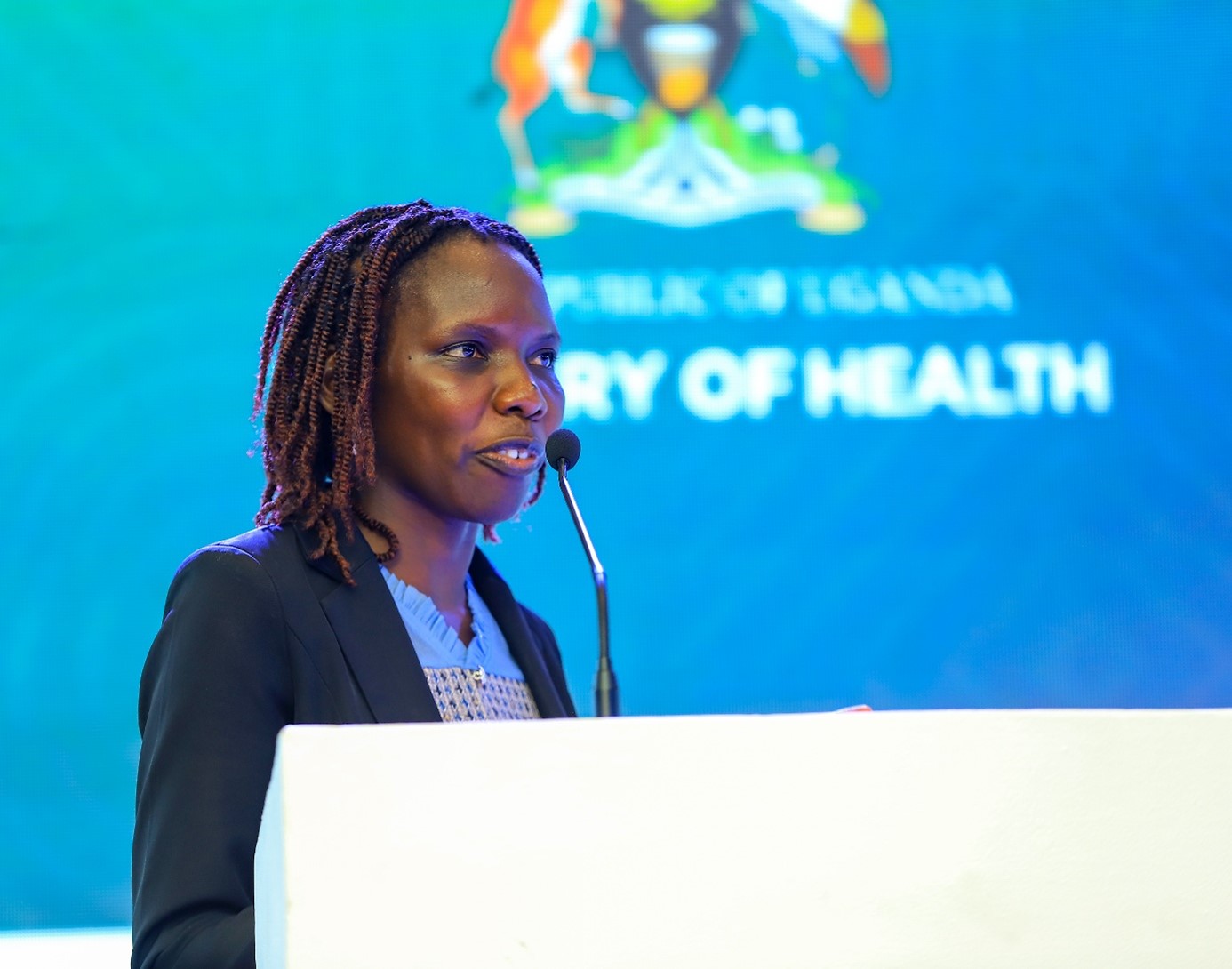
On the first day of the conference during a symposium titled: “Breaking the Silence: Advancing Mental Health Awareness and Resilience”, two key presentations highlighted emerging evidence on child mental health and substance use.
Dr. Harriet Aber, who had defended her PhD just one week earlier, presented findings from her dissertation on substance abuse among children in Mbale district, Uganda as part of the TREAT consortium. Her research revealed that alcohol use among children is not isolated, but is shaped by household dynamics, adversities, community norms, and systemic gaps within health and education structures.
“Child alcohol use remains a silent crisis, we are not talking about accidental sip or two, but intentional use” said Dr. Aber. She emphasized that integrating child mental health into existing systems is critical.
“Screen early, act early…protects Uganda’s next generation”
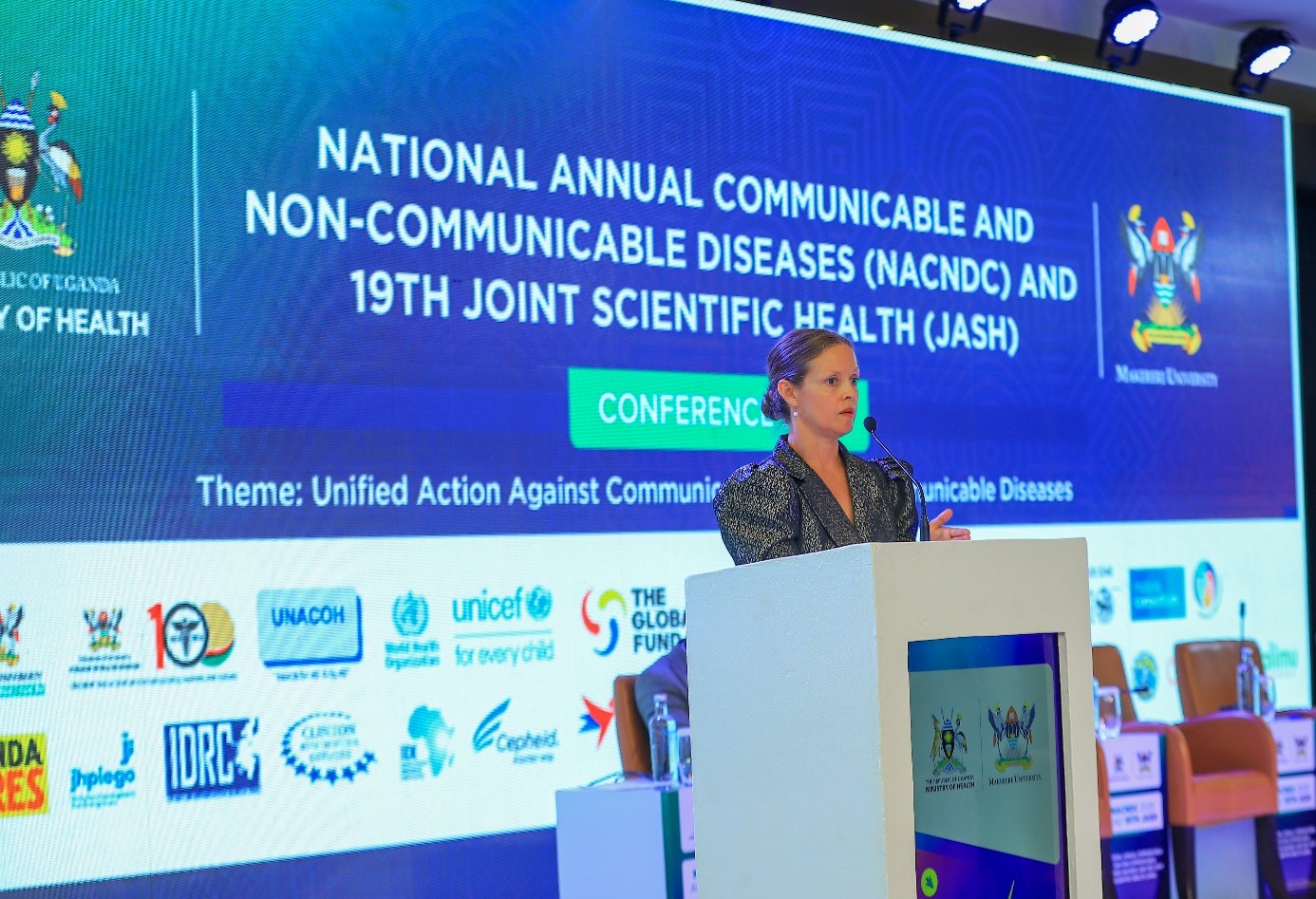
Following this, Dr. Ane-Marthe Solheim Skar introduced the ongoing TREAT project and other PhD projects.
“Hearing from children themselves and their voices is important in mental health work” said Dr. Skar.
By grounding research within the communities where children live and learn, the project ensures that solutions are scalable and context-specific.
Evidence Leading to Action
The symposium ended with a panel discussion on “Mental health in schools and universities,” calling for early detection of mental health challenges in primary schools, health-worker training on child mental health and substance use, integration of mental health into primary health care, and community engagement to reduce stigma and increase awareness.
The TREAT consortium will continue dissemination and policy engagement, ensuring that research findings translate into system-wide change, over time implementation and sustainability.
The conference provided a national platform to amplify a long-neglected issue and positioned TREAT C-AUD as a leader in advancing evidence, advocacy, and integrated mental health service delivery for children.