

GAP research group presents new findings at ERS Congress 2025 in Amsterdam
In September 2025, members of the Greenness, Air Pollution and health (GAP) research group took part in the European Respiratory Society (ERS) Congress in Amsterdam. Their presentations focused on how environmental exposures, including air pollution and greenness, influence respiratory health.
By: Shanshan Xu
Published:
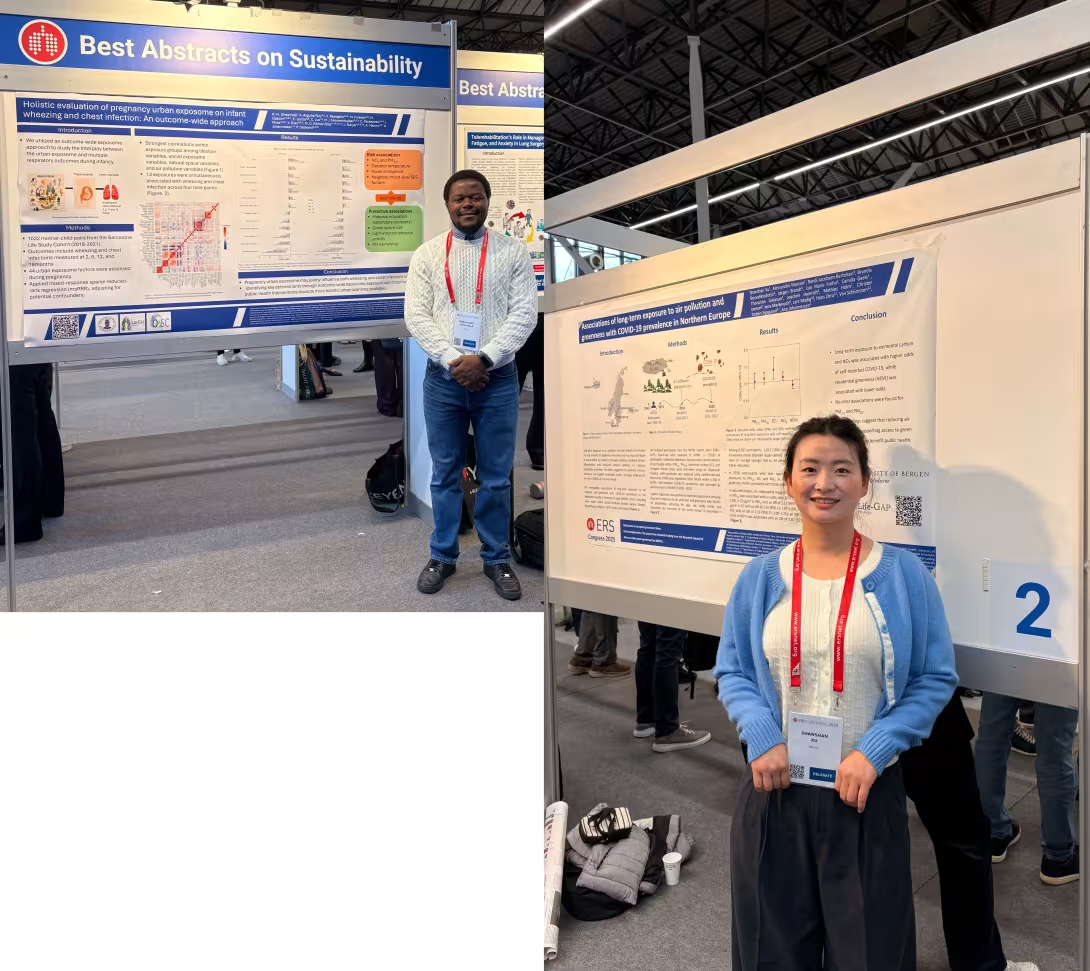
PhD candidate Robin Mzati Sinsamala presented his study applying an outcome-wide exposome approach to examine how the urban exposome during pregnancy affects respiratory health in infancy. The research was shared in two posters: the main analysis on the holistic impact of these exposures on wheezing and chest infections, which was selected as Best Abstract in the ERS sustainability track, and a complementary analysis on sex differences, providing new perspectives on how these exposures may affect boys and girls differently.
Researcher Shanshan Xu presented her study on the associations between long-term exposure to air pollution, greenness, and COVID-19 prevalence in Northern Europe. The study found that lower air pollution levels and greater access to green space were linked with a reduced prevalence of COVID-19 in the region.
Through their contributions at ERS 2025, the GAP team shared new findings on the role of environmental exposures in respiratory health, ranging from early-life outcomes to COVID-19 in adults.