

Advancing Multiple Sclerosis Research: Highlights from the Neuro-SysMed Symposium 2025
The 3rd Neuro-SysMed Annual Symposium in Norway brought together leading voices in neurodegenerative research, with multiple sclerosis (MS) standing out as one of the central themes. Across two days, international experts and local researchers highlighted both the scientific advances and the clinical challenges that continue to shape the MS field. In particular, the first session “Prevention in MS”, pioneers in the field of MS offered a multifaceted view: from cutting-edge biomarker discovery to therapeutic strategies and patient centered perspectives. Their talks underscored how MS research is evolving rapidly, driven by collaboration across disciplines and a shared commitment to improving outcomes for patients.
By: Patricia Moghames, EMSP
Published:
Prof. Christian Münz opened the MS session by presenting data from the recently published study of his laboratory and the BEHIND-MS consortium (external link) on Epstein Barr virus (EBV) infected B cells that home to the central nervous system (CNS) in a preclinical animal model. These can attract T cell to start myelin damaging neuroinflammation. Targeting B cells in general by antibody mediated depletion, as for example by Rituximab, strongly diminishes this neuroinflammation. This model now allows to target the CNS homing EBV infected B cell population more specifically for the development of new treatment options in multiple sclerosis. Following this presentation there was a lively discussion if EBV infected B cells continue to contribute to MS pathogenesis after clinical onset and if EBV infection renders the identified B cell subset even more efficient for crossing the blood-brain-barrier.

Building on this, Prof. Gavin Giovannoni shifted the focus towards prevention strategies. I his lecture, he proposed that preventing symptomatic EBV infection, known as infectious mononucleosis (IM), offers the most pragmatic path toward reducing the incidence of MS. He notes that while EBV infection is epidemiologically necessary for MS development, individuals who experience IM face a substantially increased lifetime risk of the autoimmune disorder compared to those with asymptomatic infection. Conducting large-scale, prophylactic EBV vaccine trials aimed at directly preventing MS in high-risk infants is deemed unfeasible due to low disease incidence in children, extended follow-up times, and significant concerns regarding parental vaccine reluctance. Consequently, the piece advocates for licensing an EBV vaccine to prevent IM or antivirals to treat IM, arguing that these interventions also address the disease’s acute medical and considerable socioeconomic burden. Subsequent large-scale, real-world observational studies using population registries could then track whether the reduction in IM incidence and severity translates into a corresponding decrease in the incidence of MS and a "basket" of other EBV-related malignancies and autoimmune diseases.

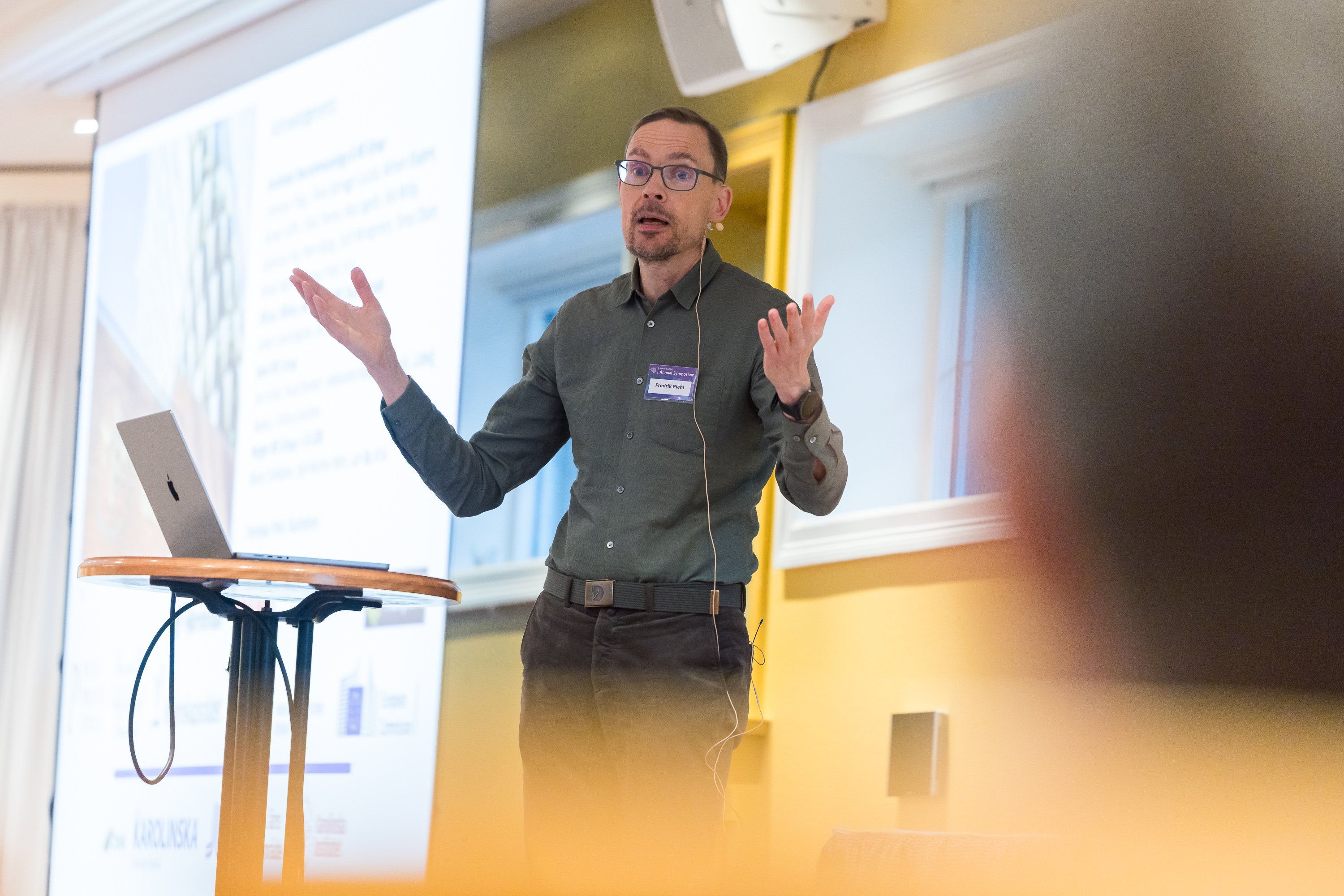
From prevention, the session moved to treatment optimization. Prof. Fredrik Piehl, representing the EBV-MS consortium, provided an overview of anti-CD20 B-cell depleting therapies (BCDT) used in MS, covering their effectiveness, dosing strategies, and safety considerations. It outlined evidence from phase 2 and phase 3 randomized clinical trials, comparing the BCDTs ocrelizumab, ofatumumab, ublituximab, and rituximab regarding relapse rates, disability progression, and MRI activity. In a following section, the presentation addressed comparative safety issues, including rates of infections, malignancies, and mortality in randomized clinical trials, followed by additional safety data obtained from observational studies with longer follow up. Long term exposure to BCDT is associated with a safety signal for increased risk of hospital treated infections. A major part of the presentation focused on maintenance therapy and the potential to extend dosing intervals to mitigate such risks, supported by real-world evidence and biomarker analyses - including B-cell repopulation patterns, NfL, and GFAP levels - from recent work by the Karolinska group within the EU-EBV project. The presentation concluded with a discussion of how these findings may help clarify the role of EBV in driving inflammatory disease activity in MS.
As chair of the session, Prof. Øivind Torkildsen facilitated the discussion and connected the themes of the three presentations, underscoring how anti-CD20 therapies, antivirals and future vaccines represent complementary approaches. He also drew attention to the need for integrating clinical trials with mechanistic research to clarify how EBV influences both inflammatory activity and long-term progression. The key message was the growing convergence of evidence supporting EBV-directed interventions and the importance of continued international collaboration to advance this emerging therapeutic paradigm.

Together, the MS presentations at this year’s symposium conveyed a field in dynamic transition. Prof. Münz emphasized the mechanistic underpinnings of EBV-infected B cells in driving neuroinflammation, Prof. Giovannoni highlighted the potential of preventive strategies through vaccines and antivirals, and Prof. Piehl focused on optimizing patient care with evolving antiCD20 therapies. As session chair, Prof. Torkildsen connected these perspectives, underscoring how mechanistic research, preventive approaches, and treatment innovations represent complementary paths forward. The discussions revealed both the progress already achieved and the challenges that remain - from unraveling disease heterogeneity to refining longterm treatment strategies. By fostering collaboration across disciplines and borders, NeuroSysMed reaffirmed that the future of MS research lies in translating scientific breakthroughs into tangible improvements for patients’ lives.