

EBV-MS Consortium Showcases Cutting-Edge Research on Epstein-Barr Virus and Multiple Sclerosis at ECTRIMS 2025
At this year’s ECTRIMS Congress, one of the world’s largest gatherings dedicated to multiple sclerosis (MS), the EBV-MS consortium made a strong mark by presenting groundbreaking research and convening key discussions around the role of the Epstein-Barr virus (EBV) in MS. From collaborative sessions and scientific presentations to consortium meetings, EBV-MS partners highlighted their collective progress and reaffirmed their shared goal: advancing prevention and treatment strategies that could transform the future of MS care.
Published: (Updated: )
EBV-MS Consortium Meeting at ECTRIMS 2025
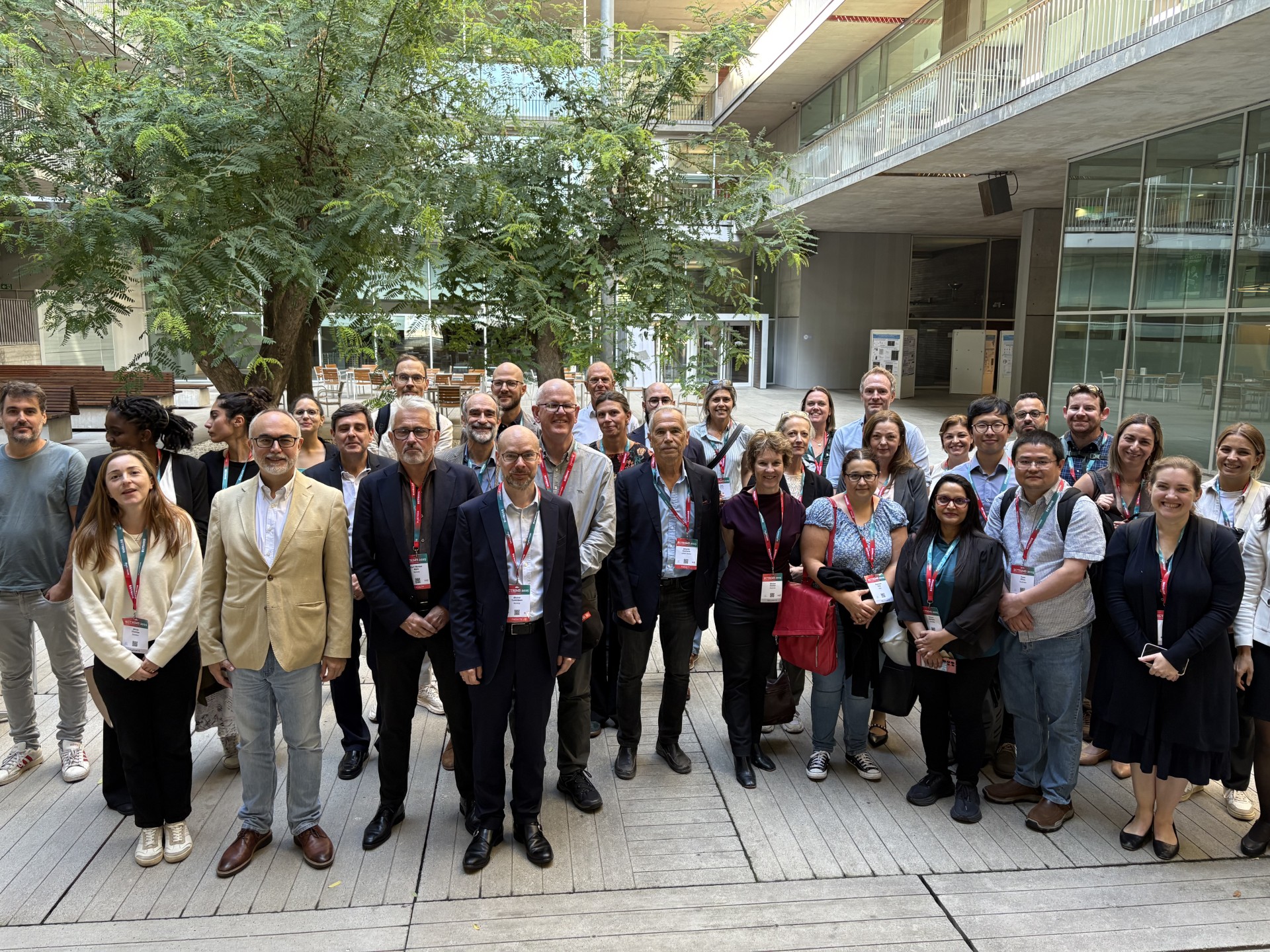
The EBV-MS consortium met during ECTRIMS to take stock of progress in the Targeting Epstein-Barr Virus Infection for Treatment and Prevention of Multiple Sclerosis project and to exchange ideas for the next steps. The meeting provided an invaluable opportunity to strengthen collaboration, openly discuss challenges, and identify new opportunities for joint research.
Bringing together leading researchers, clinicians, and patient representatives, the consortium reaffirmed its commitment to ensuring that the voices of people with MS remain central to the project’s direction and impact. Partners from across Europe and beyond, including colleagues from Australia, joined the discussion, underscoring the project’s growing international reach. With strong teamwork and a shared vision, the consortium continues to lay the groundwork for innovative strategies to better understand and address the role of EBV in MS.
Diving into Partners’ Efforts at ECTRIMS
The EBV-MS and BEHIND-MS (external link) consortia joined forces to highlight the latest research on the role of EBV in MS.
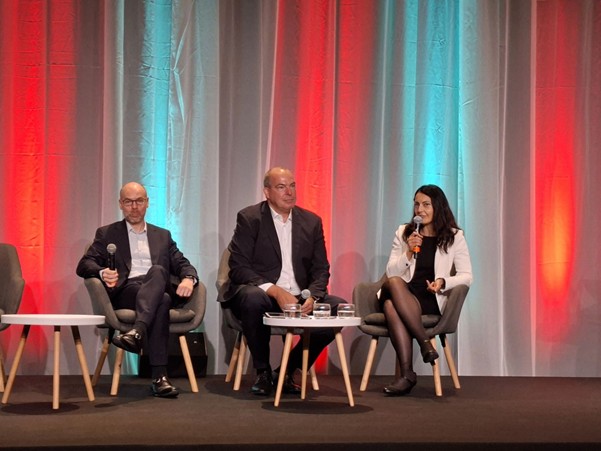
Prof. Marianna Cortese opened the session with a powerful reminder of why EBV has captured global attention, drawing on her landmark 2022 study that not only reshaped the field but also helped secure EU support for both consortia. Prof. Jan D. Lünemann followed by delving into the biology of EBV, showing how the immune system’s interaction with the virus - from B and T cells to the central nervous system - may set the stage for MS, a key focus of the BEHIND-MS project. Prof. Øivind Torkildsen then linked these insights to clinical applications, pointing to evidence that antiviral treatments could help reduce MS risk, and outlining how EBV-MS is advancing this work by testing antivirals as a potential therapeutic or preventive strategy.
The session underscored the strength of collaboration between the two consortia and their shared ambition to unravel the EBV–MS connection through multidisciplinary research. More details on this session here.
Exploring EBV as a Therapeutic Target
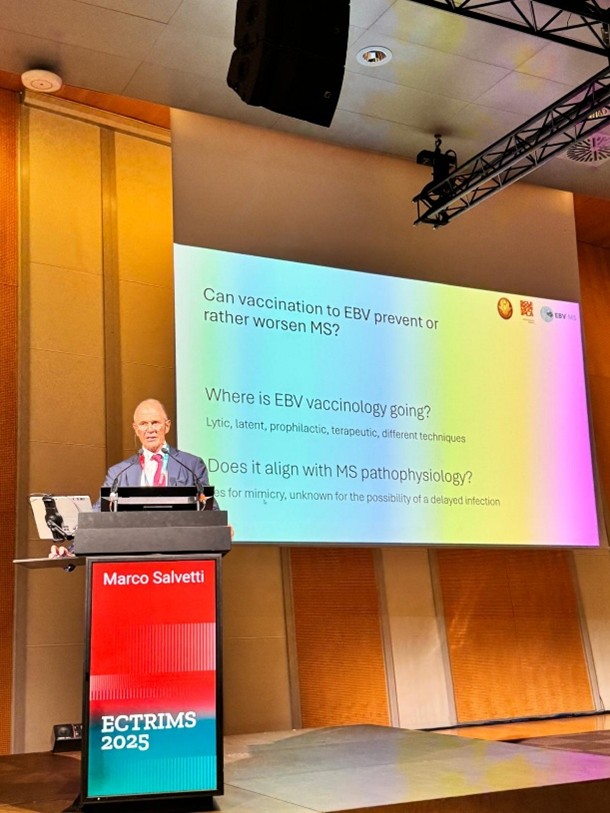
Prof. Marco Salvetti from Sapienza University of Rome also presented the role of EBV in MS in a separate presentation. The concrete possibility that EBV is a causal factor in MS suggests that controlling the infection could, in principle, prevent or even cure the disease. Yet, important challenges remain. Prof. Salvetti explain that, at present, no specific antiviral therapy against EBV exists. Vaccines are a promising alternative and, after decades of effort, some candidates have now reached advanced phases of clinical evaluation. Nevertheless, questions of acceptability, safety, and long-term impact will need to be carefully addressed. In his talk, he discussed the potential benefits and risks of anti-EBV vaccination in MS, and explore strategies that could help ensure such approaches remain both safe and broadly applicable.
Epigenetics, Ageing, and the Role of EBV
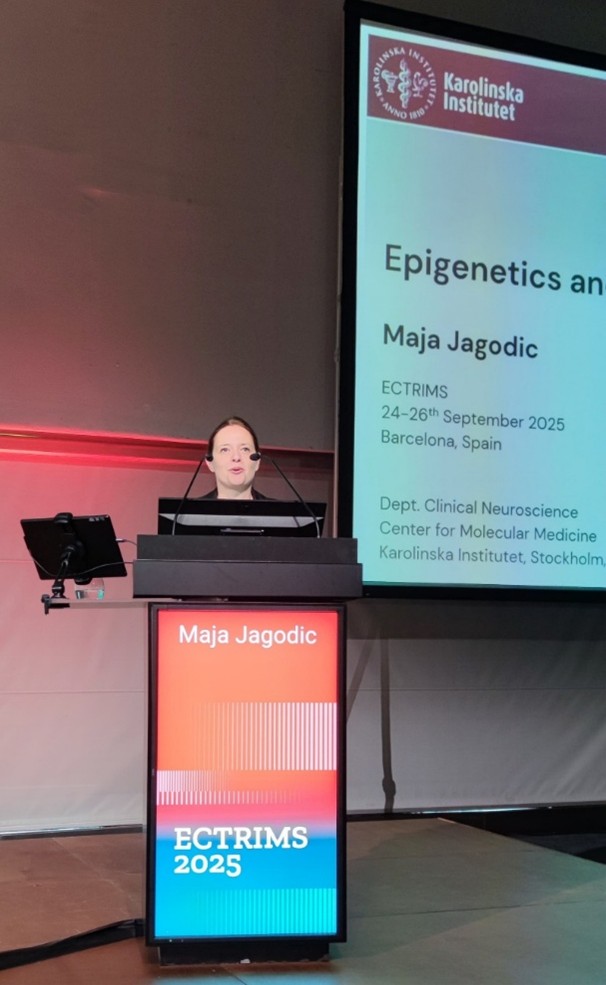
Prof. Maja Jagodic from Karolinska Institutet presented compelling data on how EBV may influence biological ageing in MS. Prof. Jagodic discussed how we utilize epigenetic clocks, derived from patterns of epigenetic modifications of DNA, to investigate biological aging in human population. Epigenetic clocks indicate accelerated biological and physiological aging across multiple tissues in pwMS. B lymphocytes in particular age faster, which could be a consequence of EBV infection and contribute to their pathogenic properties in pwMS.
Optimizing Treatment through Individualized Dosing
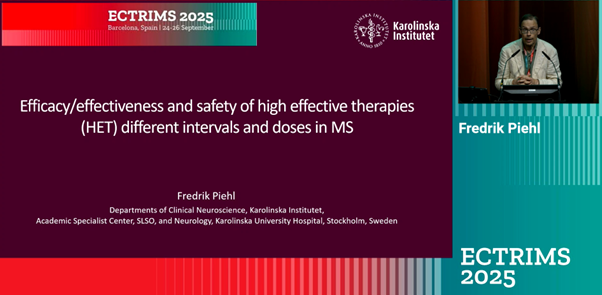
Prof. Fredrik Piehl from Karolinska Institutet and Karolinska University Hospital delivered an invited lecture on “Individualized dosing intervals of B-cell–depleting therapies to improve benefit–risk balance in multiple sclerosis (MS)”. Drawing on insights from both clinical trials and real-world data, Prof. Piehl emphasized how extending treatment intervals, guided by B-cell repopulation dynamics, pharmacodynamic markers, and patient stability, can sustain disease control while reducing infection risk and improving vaccine responses.
He presented emerging findings from the RIDOSE-MS and BLOOMS studies, which suggest that many people with stable relapsing MS can safely extend dosing intervals to 12–18 months without compromising efficacy. These results mark a significant step toward a more personalized approach to MS management, aiming to optimize both safety and long-term outcomes. Prof. Piehl also noted that results generated within the EU-EBV consortium could further refine individualized treatment strategies, helping achieve a better benefit–risk balance for people living with MS.
New Insights from Early-Career Researchers
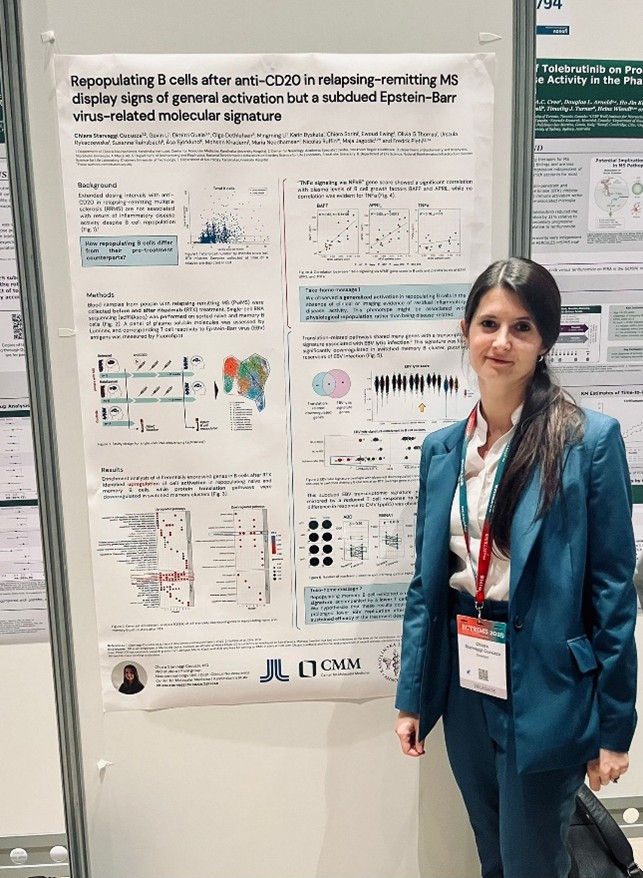
Early-career researcher, Chiara Starvaggi Cucuzza, PhD candidate at Karolinska Institutet, presented her poster at ECTRIMS. Chiara explained: as we observed sustained efficacy of B-cell depleting therapies (BCDT) when extending the intervals between treatment doses despite B-cell repopulation, we hypothesized that these cells could be less pathogenetic compared to their pre-treatment counterpart. We thus dissected the immunological and molecular phenotype of repopulating B cells at single-cell levels. A reduction in the expression of genes that have been described in B cells infected by EBV at its lytic stage was observed. Interestingly, this downregulation was specific to switched memory B cells, a subtype of B cell that harbors EBV chronic infection, and was accompanied by a lower T cell reactivity to EBV antigens. We hypothesize that these results could be the consequence of a prolonged lower EBV replication after BCDT and may explain the sustained efficacy of the treatment despite B cell repletion.