

Molecular Mimicry: How EBV-Triggered T Cells May Attack the Brain in MS
Our EBV-MS consortium partners from Karoliska Insitutet (Sweden) have just published a new article in Cell, a highly prestigious journal. This work represents an important contribution to the field and further highlights the strength and impact of the research emerging from our collaborative network.
Published:
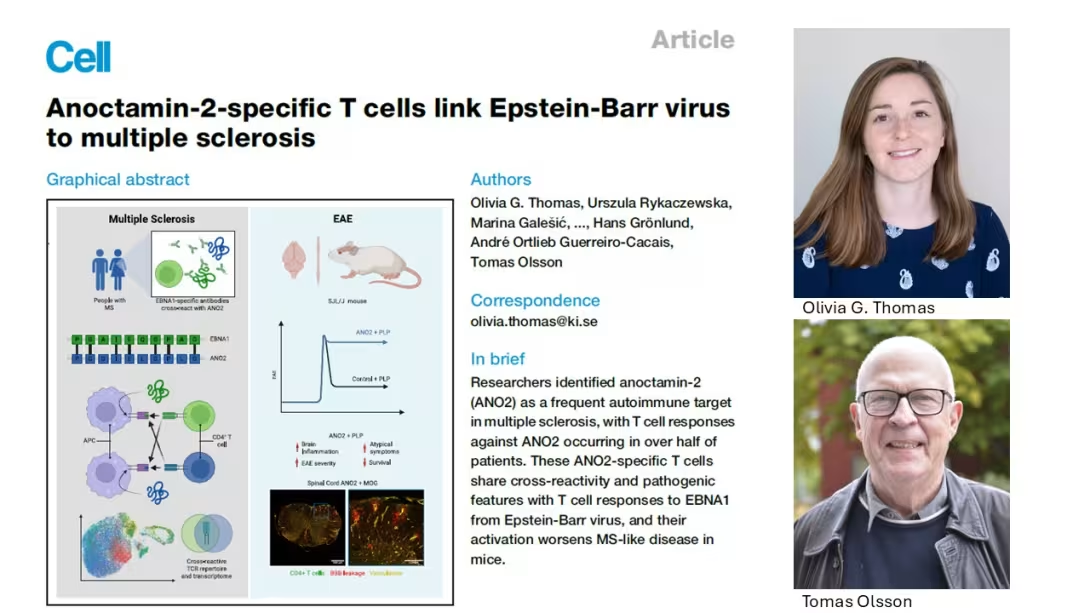
Multiple sclerosis (MS) is linked to Epstein-Barr virus (EBV) but the precise mechanism is not yet fully understood. A new study in Cell from Karolinska Institutet has demonstrated a role for molecular mimicry in MS disease mechanisms. Their research shows that, when the immune system is fighting EBV infection, certain T cells mistakenly target a brain protein called Anoctamin‑2 (ANO2). This work offers the first direct evidence that immune responses to EBV can harm the brain through these T cells, a discovery which could reshape how we detect, treat, and potentially prevent MS.
Key Findings
- CD4+ T cells were isolated from MS patients that recognise both the EBV protein EBNA1 and the brain protein ANO2, indicating molecular mimicry.
- Approximately 57% of untreated people with MS had ANO2-reactive T cells, which were more prevalent than the ~15% seropositivity rate for ANO2 antibodies, demonstrating the significance of cellular immunity.
- When these ANO2‑reactive T cells were introduced into a mouse model, they led to more severe MS-like symptoms and caused brain damage.
Why It Matters
This work provides some of the first mechanistic evidence for EBV’s role in MS via molecular mimicry, expanding our understanding of disease pathogenesis. In addition, ANO2-reactive T cells could potentially be used as clinical biomarkers for early detection or disease activity monitoring.
The research supports the rationale for use of antiviral drugs and vaccination against EBV in MS for either therapy or prevention, and adds weight to these approaches which are now in clinical trials for MS.
Importantly, this study may also help to guide the safe design of EBV vaccines. Whilst current therapies are effective at reducing relapse rates in MS, none ultimately prevent secondary progressive disease.