Social science research in times of war: Visit from ESS Ukraine
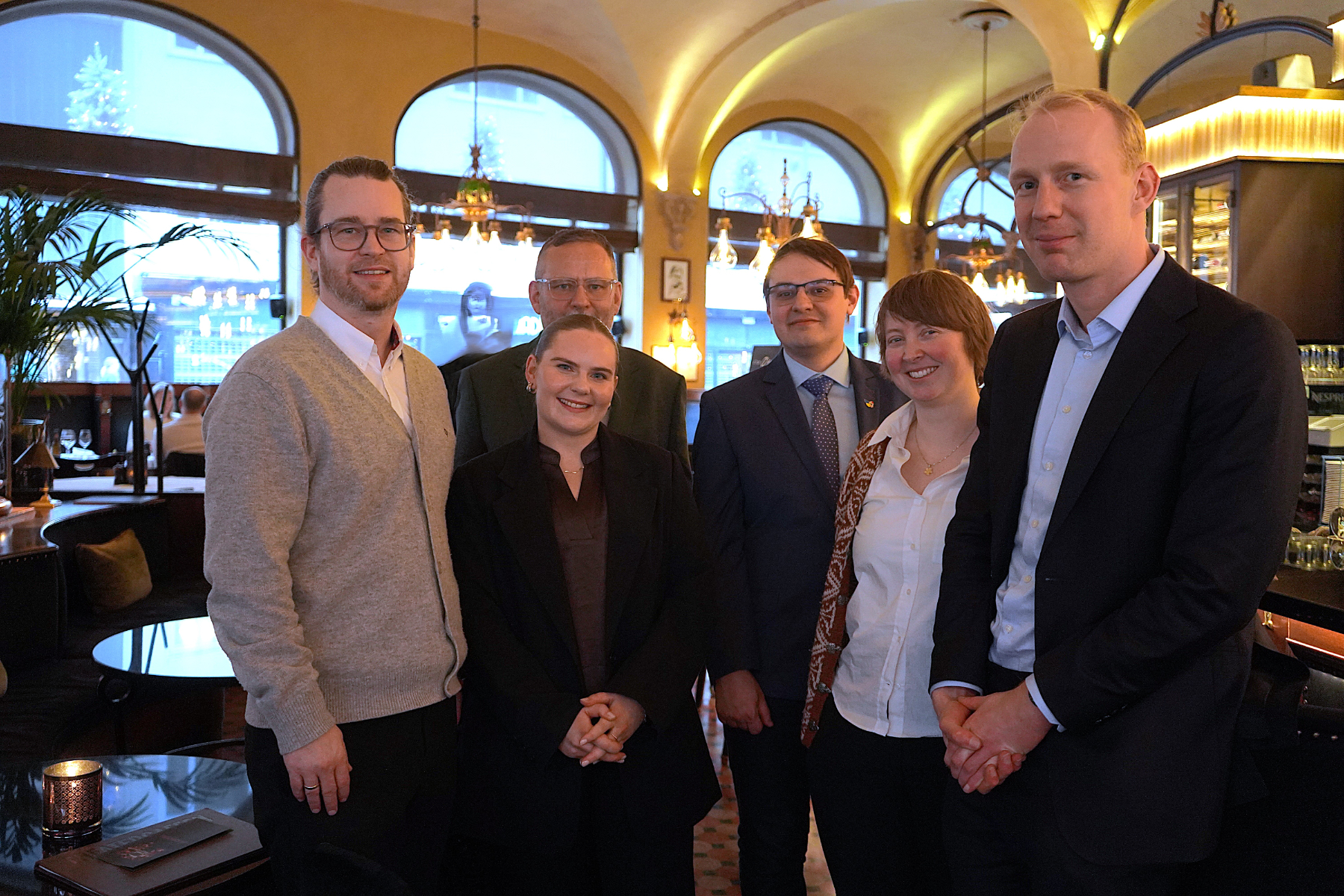
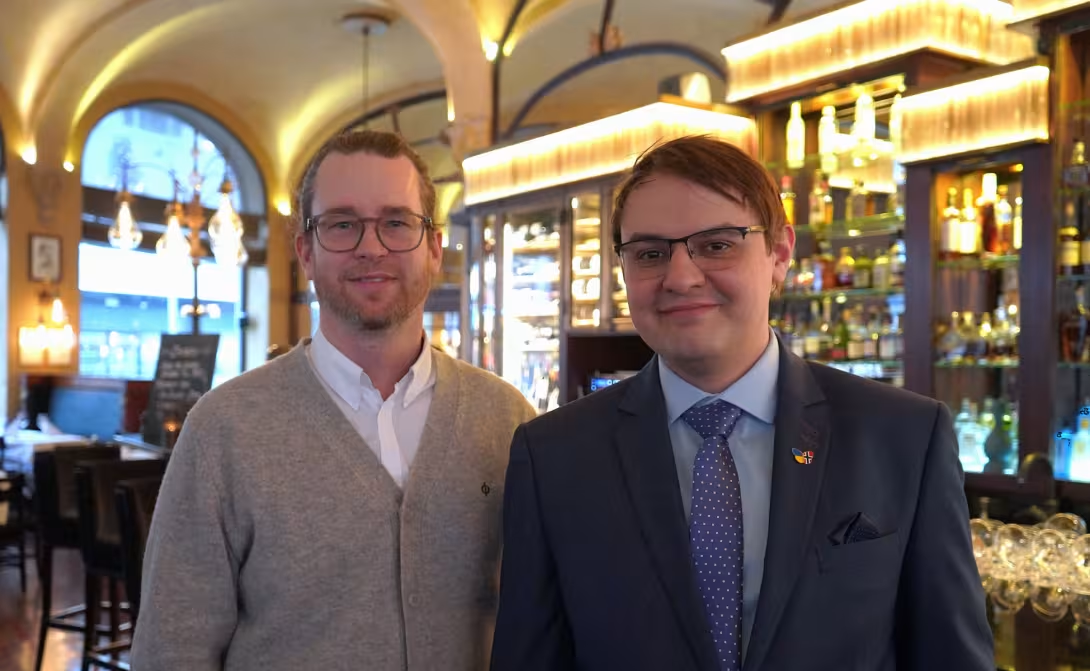
Last week, the Norwegian ESS coordination team welcomed Tymofii Brik, National Coordinator for the European Social Survey (ESS) in Ukraine and Rector of the Kyiv School of Economics. During the visit, Brik shared experiences from conducting survey research under extreme circumstances, as well as personal reflections on what it is like to live, work, and carry on daily life in Ukraine during a full-scale invasion. A key objective of the visit was to underscore the importance of continued funding for ESS data collection in Ukraine for as long as the war continues.
Published: (Updated: )
Experiences from Data Collection in Wartime
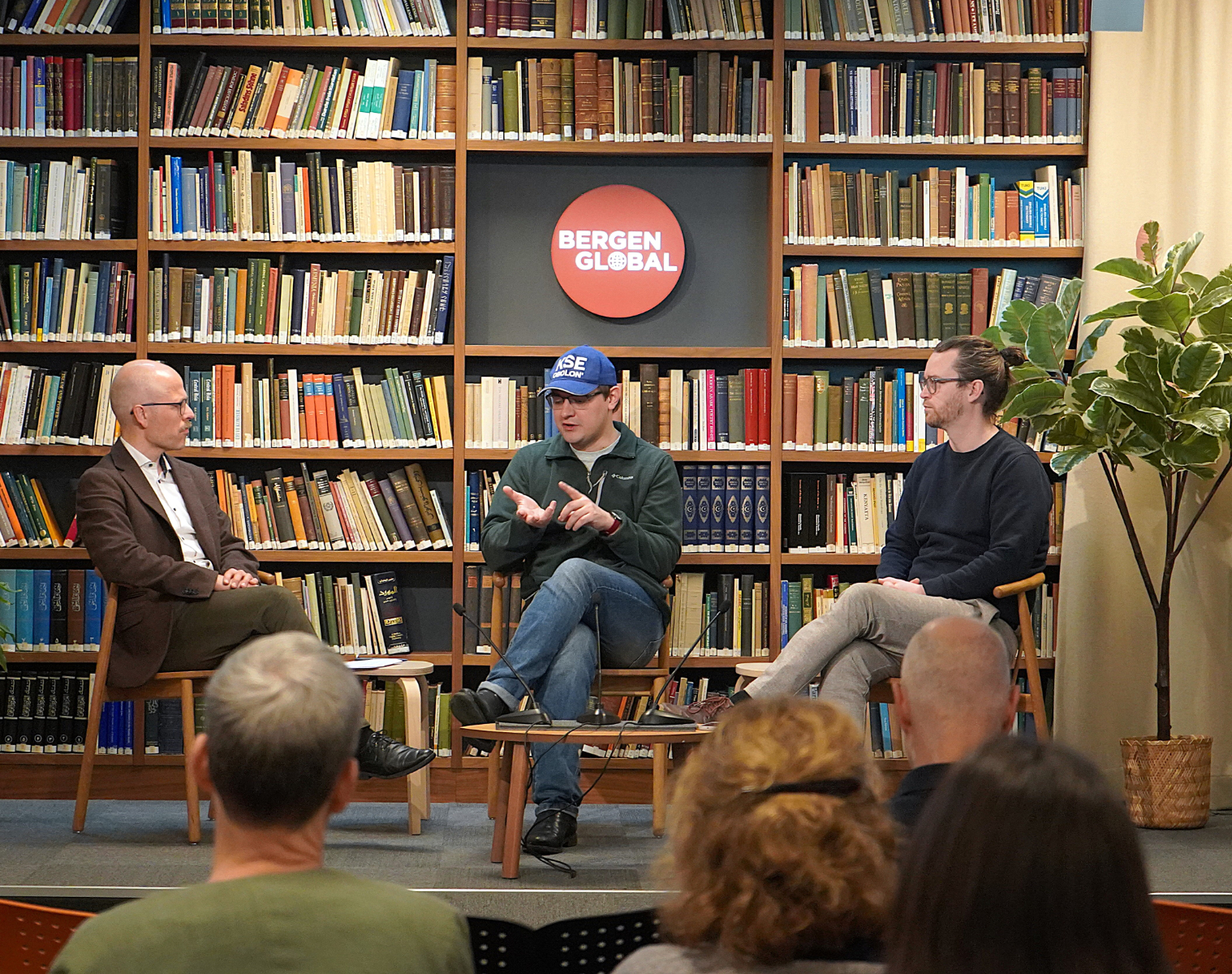
In Bergen, Tymofii Brik (external link) met with research communities at the Faculty of Social Sciences at the University of Bergen and UKRAINETT (external link). At a breakfast seminar at Bergen Global on 13 January (external link), he took part in a panel discussion with Sveinung Arnesen, National Coordinator for ESS in Norway, on conducting social science research during wartime.
The discussion highlighted practical and ethical challenges through a comparison of ESS data collection under normal conditions in Norway and under extraordinary conditions in Ukraine.
Brik described how the war affects everything from fieldwork and sample design to respondents’ daily lives and levels of trust, and outlined the methodological adaptations required when conducting social science research under extreme circumstances.
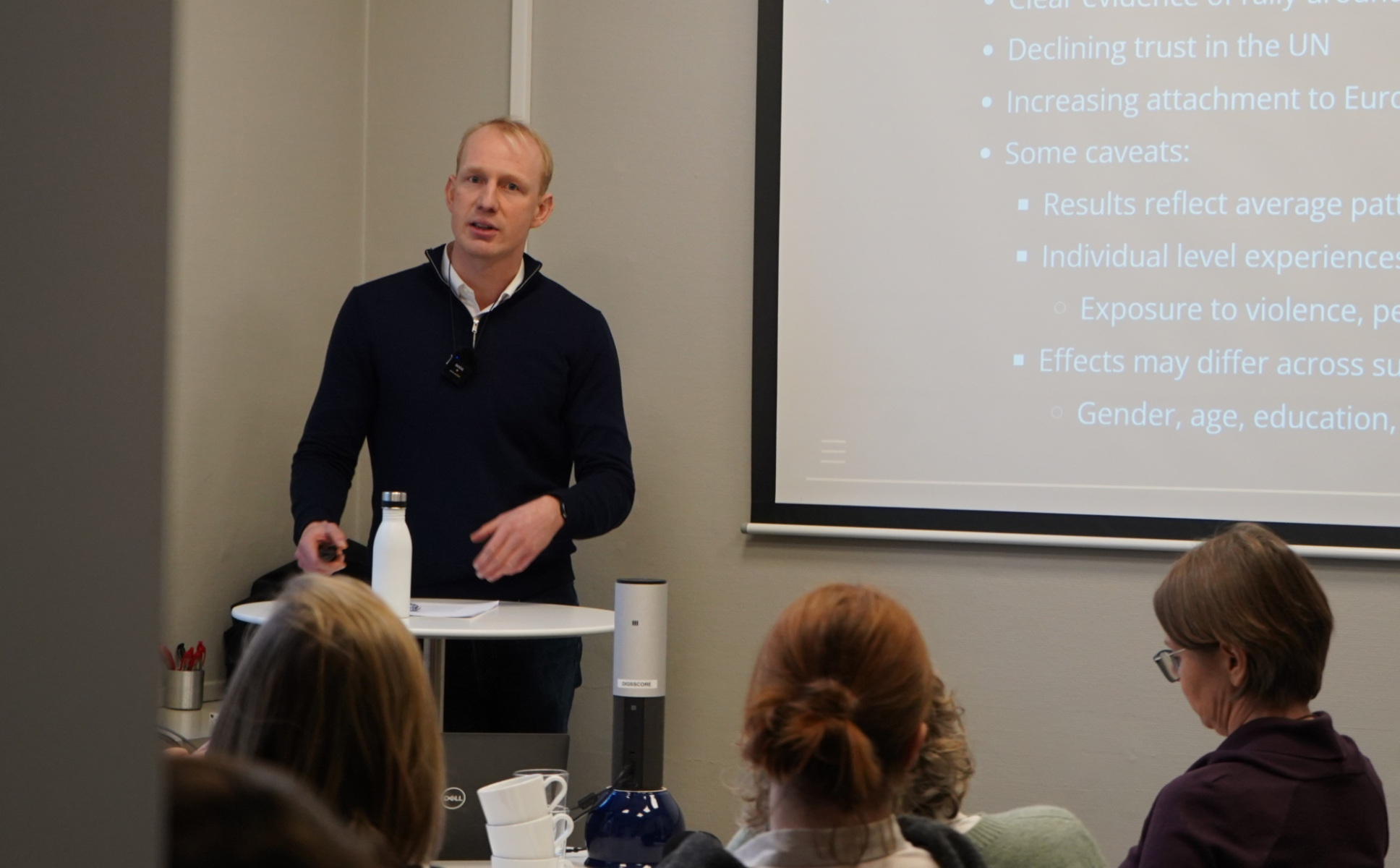
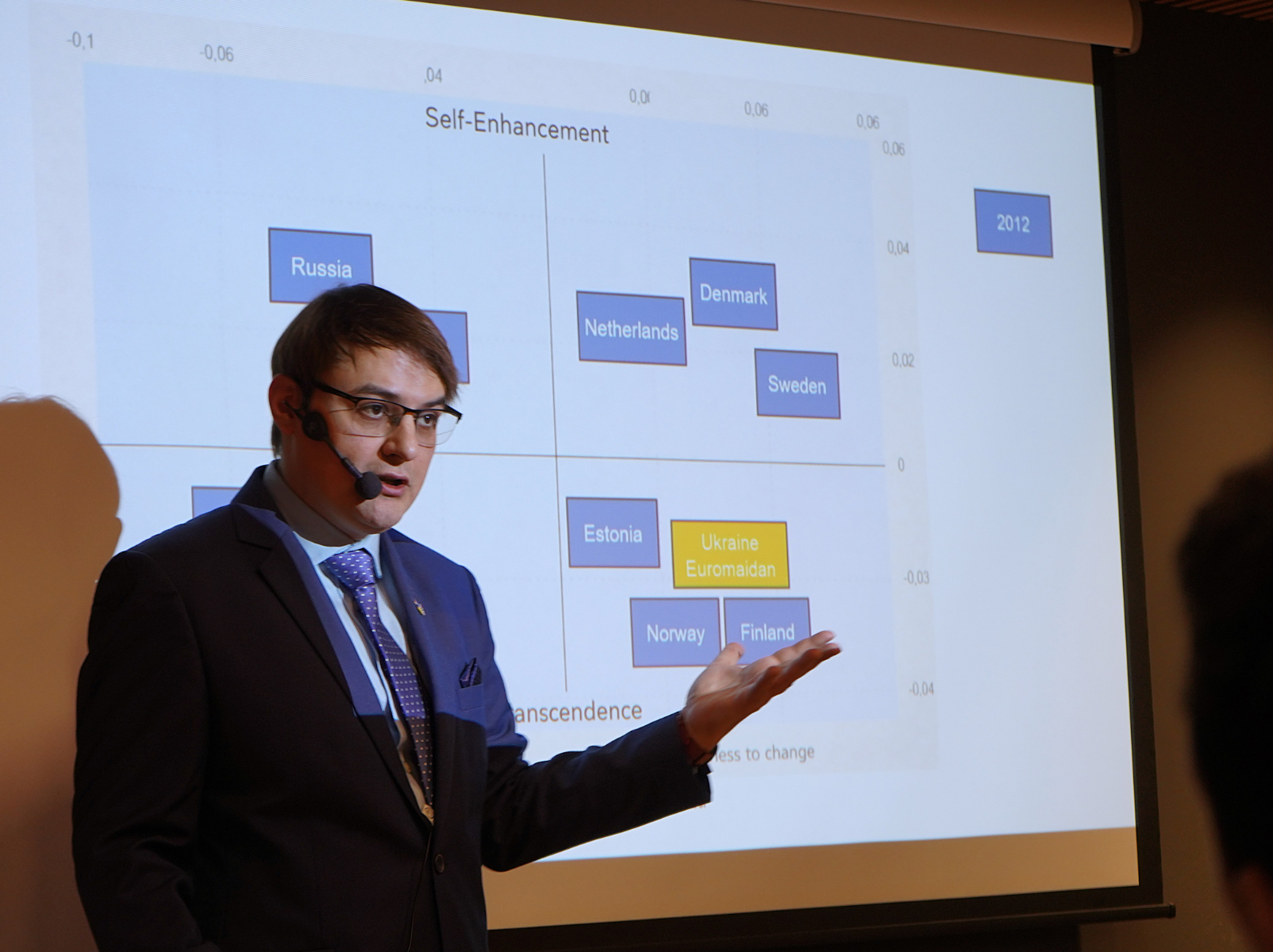
Later that day, ESS researcher Alexander Verdoes presented findings from the two most recent ESS rounds in Ukraine at the Tuesday lunch seminar at DIGSSCORE. The presentation showed how Russia’s invasion has affected Ukrainian society, based on data from both before the war in 2022 and two years into the war in 2024. Following the presentation, Brik took part in an open discussion about the findings and the challenges of conducting fieldwork in a country at war.
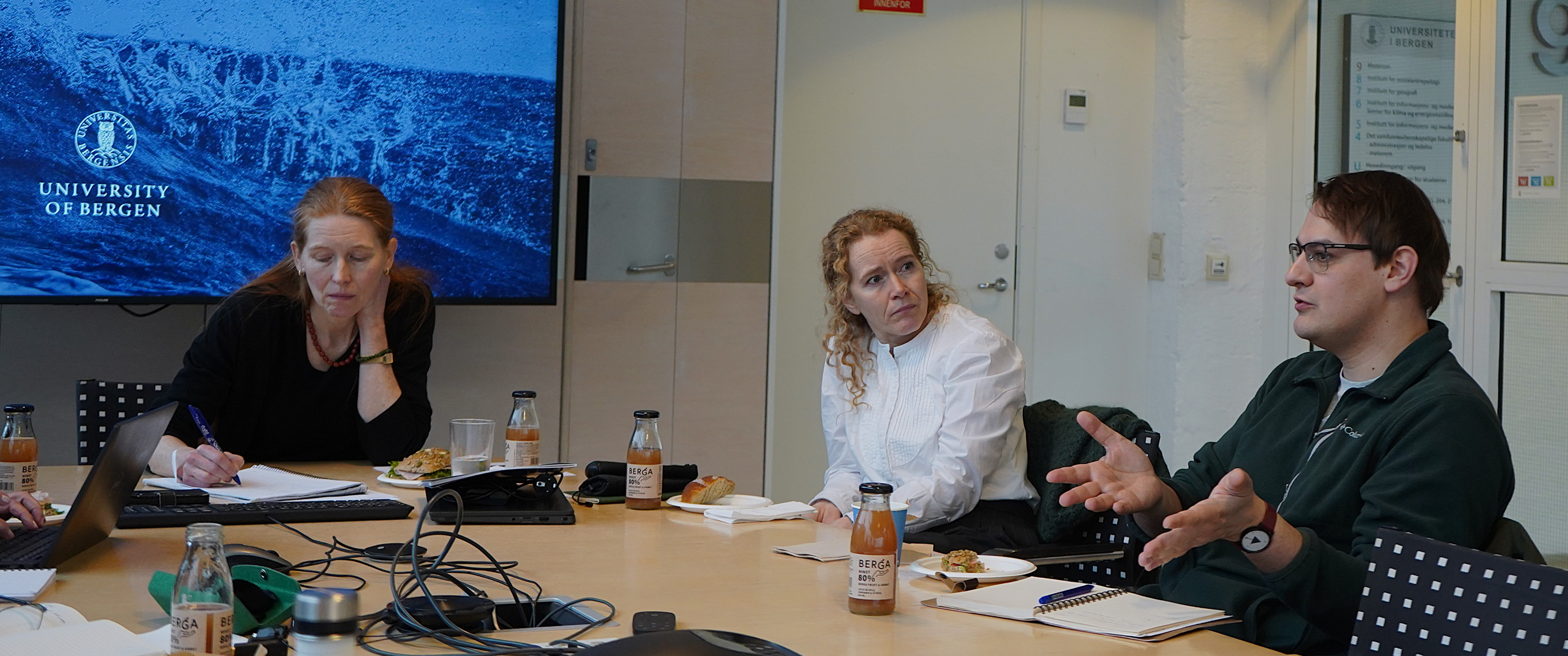
Tymofii Brik also met with the dean’s leadership at the Faculty of Social Sciences at the University of Bergen, represented by Dean Synnøve Bendixsen (left) and Vice-Dean Julie Riise (centre), as well as the leadership of the Department of Government, to exchange experiences.
Political Interest in Oslo
The delegation then travelled on to Oslo, and on 14 January the day began with a breakfast seminar at the Institute for Social Research (ISF) (external link). ISF Director Kyrre Lekve opened the event, followed by an address by Minister of Research and Higher Education Sigrun Aasland, who clearly emphasized the political and societal importance of robust social science research in times marked by crisis and uncertainty.
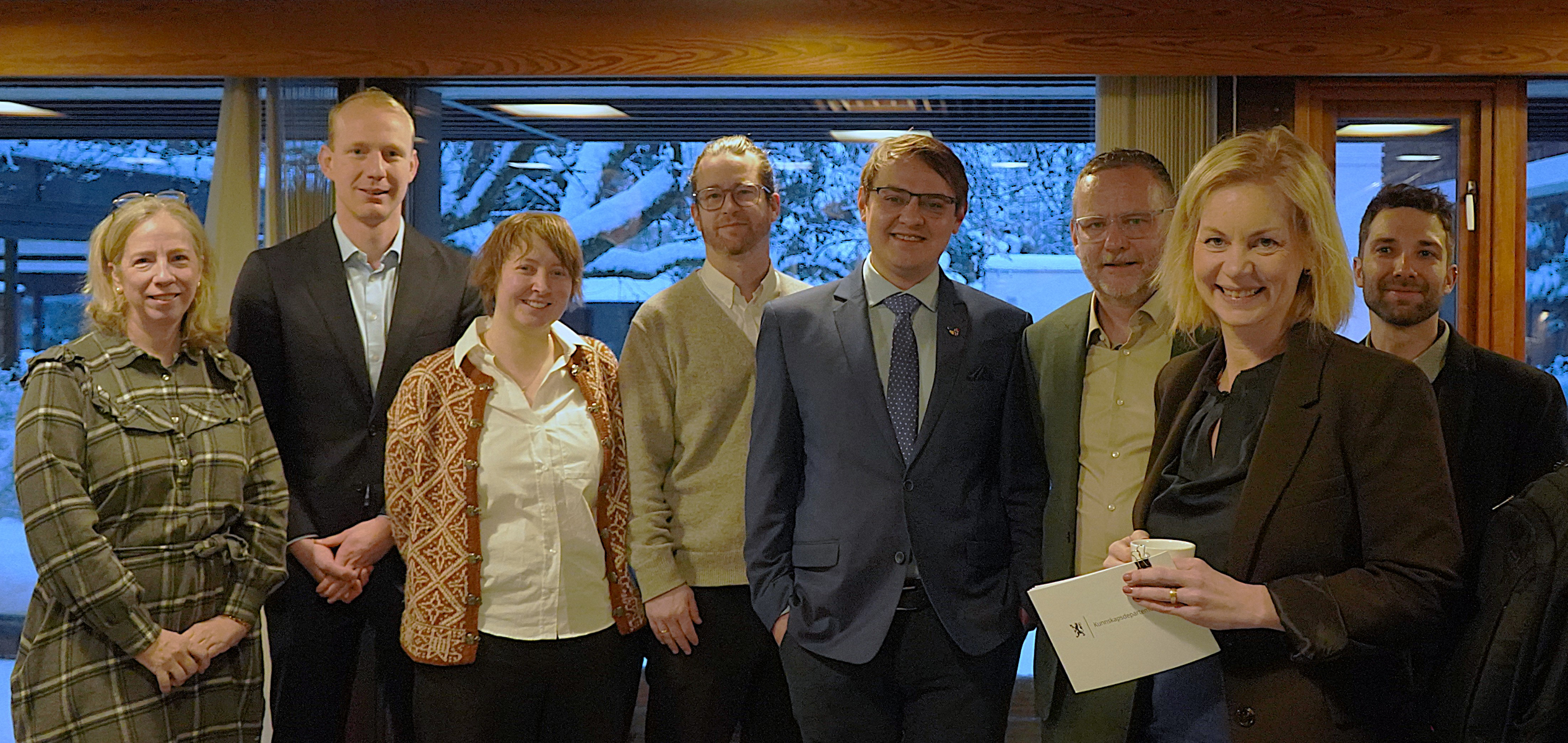
Aasland pointed out that insights from the ESS are crucial not only for researchers, but also for decision-makers and the general public. In the face of war and crises, social science research helps us understand resilience, trust, and the social structures that hold societies together.
She further emphasized Europe’s responsibility to ensure continuity and reliability in social science research, even under challenging conditions, and warned of the consequences of losing Ukraine’s voice in the ESS. According to Aasland, the ESS is more than a survey; it functions as a mirror of European societies.

-"Excluding Ukraine now would mean missing an opportunity to document and understand the social and political dynamics of a country in the midst of profound transformation and crisis," Aasland emphasizes.
In closing, the Minister emphasized that continued Ukrainian participation in the ESS is a clear expression of Europe’s commitment to knowledge, democracy, and European cooperation, and an important contribution to reconstruction, democratic resilience, and Europe’s shared future.
Following Aasland’s address, Tymofii Brik presented experiences from the implementation of the ESS in Ukraine in 2022, shortly before Russia’s full-scale invasion, as well as plans for data collection in 2026.

The presentation was followed by a panel debate on how large-scale social surveys can be conducted in a country at war. The panel featured ESS Director Rory Fitzgerald, Brik, and Maryna Rabinovych (UiT), and was moderated by Johannes Bergh, Research Director at ISF.

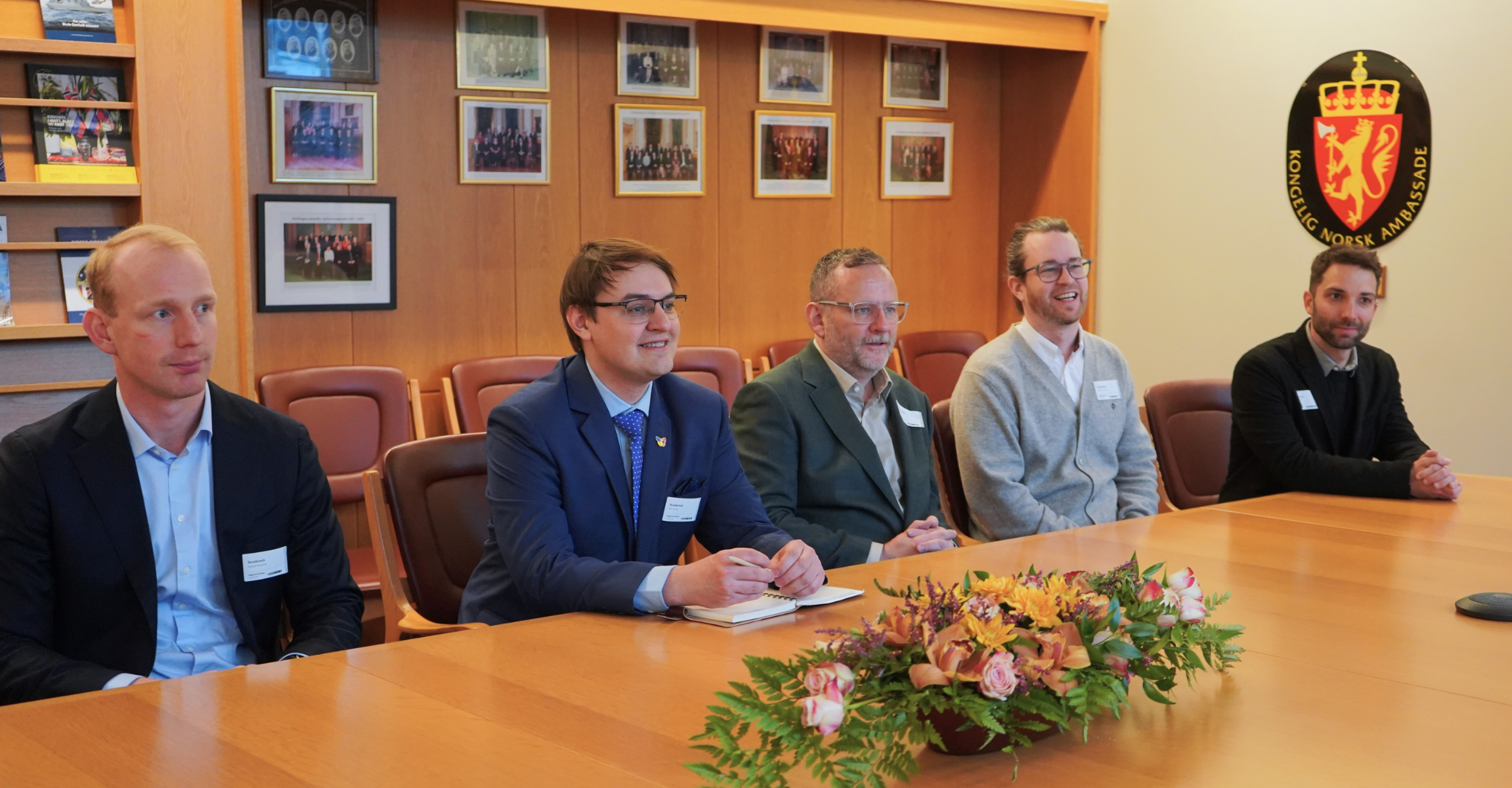
After the event at ISF, the delegation continued on to the Storting, where Brik met with the Labour Party’s parliamentary group in the Standing Committee on Foreign Affairs and Defence. The discussions covered, among other topics, the use of social media, Ukrainian public opinion, and opportunities for further research collaboration.

An Important Visit for Social Science Research
Brik’s visit helped strengthen collaboration between Norwegian and Ukrainian research communities. At the same time, it increased awareness of the ESS among both researchers and political actors in Norway, and demonstrated how social science research can play a crucial role in understanding war, democracy, and societal change.
- "The ESS provides us with a unique foundation for understanding how war affects attitudes, trust, and democratic processes—knowledge that is essential for both research and policymaking,” says Sveinung Arnesen, National Coordinator for ESS in Norway.