

Putting menopause on the agenda in Norwegian working life
How can we create a sustainable working life for women—also in midlife? This was the central question when Alrek Health Cluster, Western Norway University of Applied Sciences, the University of Bergen, and NORCE hosted a debate during Arendalsuka 2025.
Published: (Updated: )
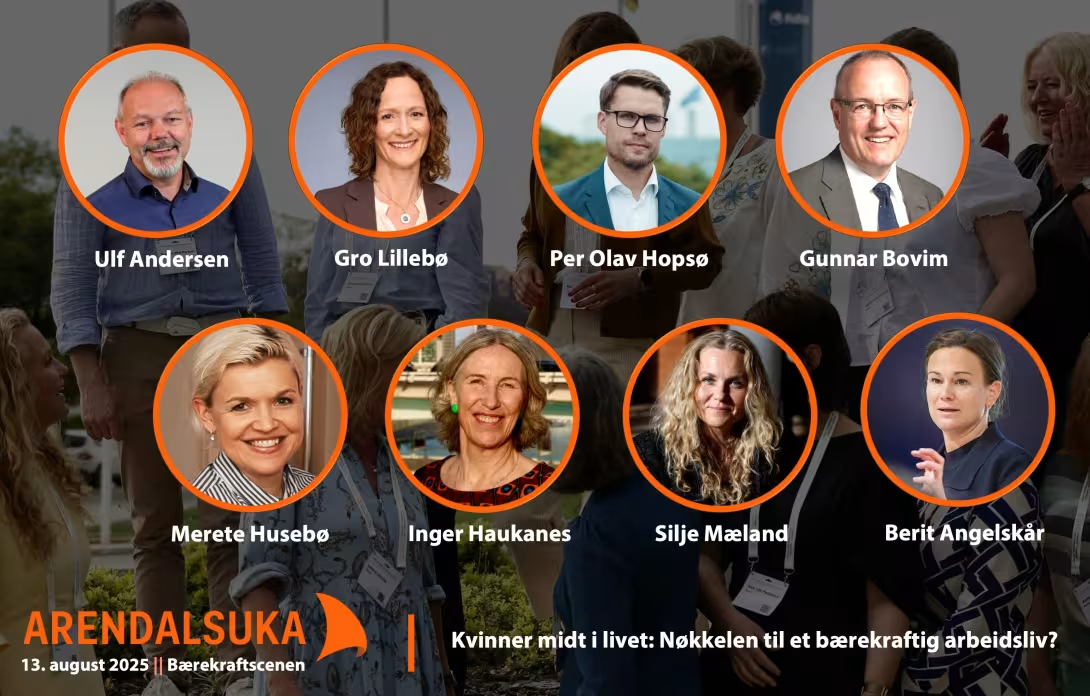
There was strong interest in the panel discussion on menopause and working life at Arendalsuka. Many people gathered at the Sustainability Stage in Arendal when the topic “How can we create a sustainable working life for women—also in midlife?” was debated. In addition, nearly 400 participants from across the country followed the event via live stream. Click to watch the recording. (external link)
The background for the debate is that approximately 30,000 women enter menopause each year, and about one third experience significant symptoms that can reduce work capacity, lead to sick leave, or, in the worst cases, force them out of the workforce. The loss of this competence has major consequences—for individuals, workplaces, and society alike. These are among the issues examined by the research project KLAR – Women’s Health, Menopause, and Working Life.
Research and data framing the debate
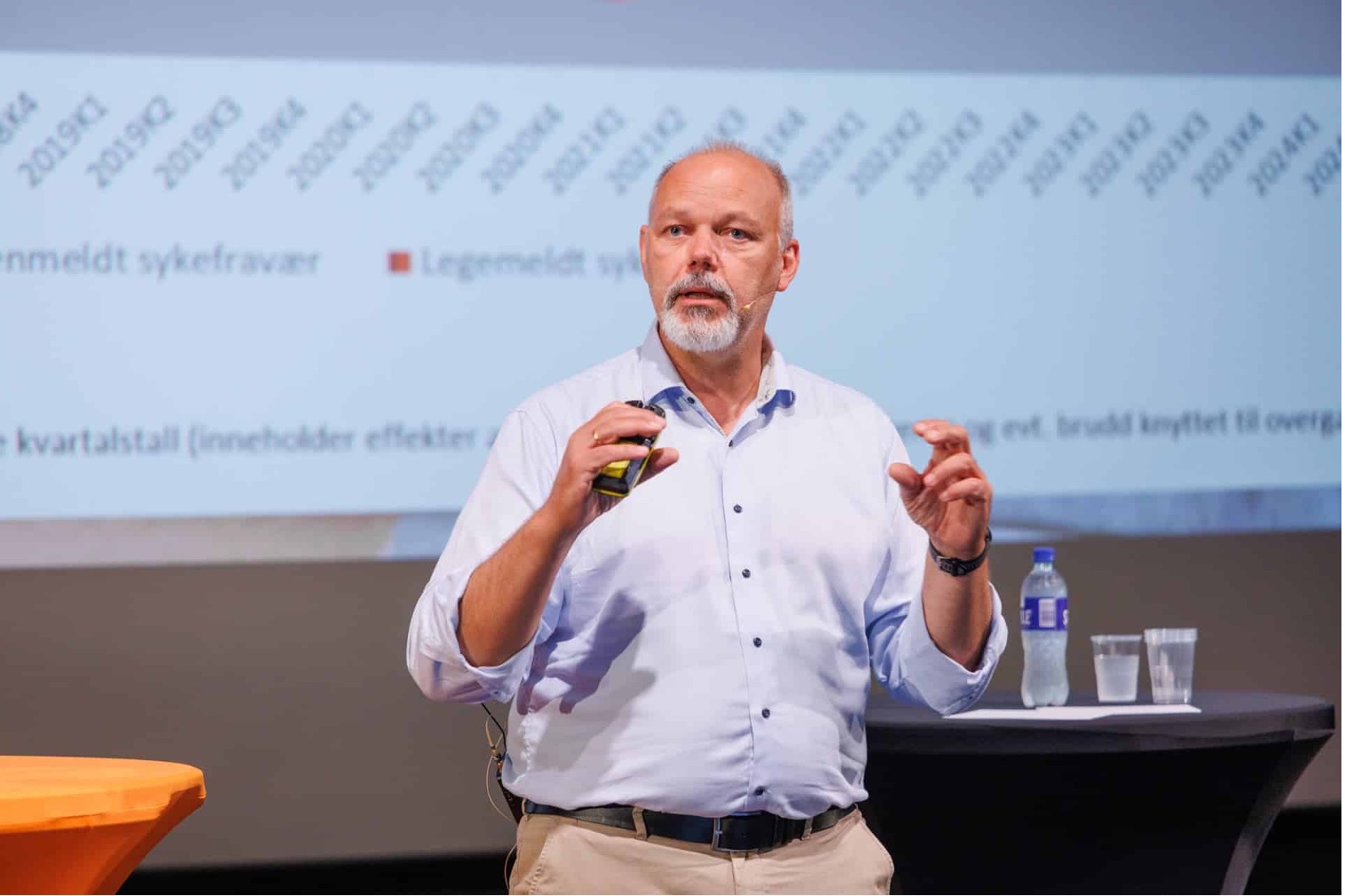
Ulf Andersen, Director of Statistics at NAV, and researcher Inger Haukenes from the KLAR project (UiB and NORCE) opened the event with what they referred to as “the numbers speaking for themselves.” Andersen highlighted the significant socioeconomic consequences of women leaving working life too early:
“If we managed to keep all Norwegian women in the workforce for just one additional year, the socioeconomic value would be NOK 20 billion every single year, simply because of the sheer number of women involved,” said Ulf Andersen, Director of Statistics at NAV.
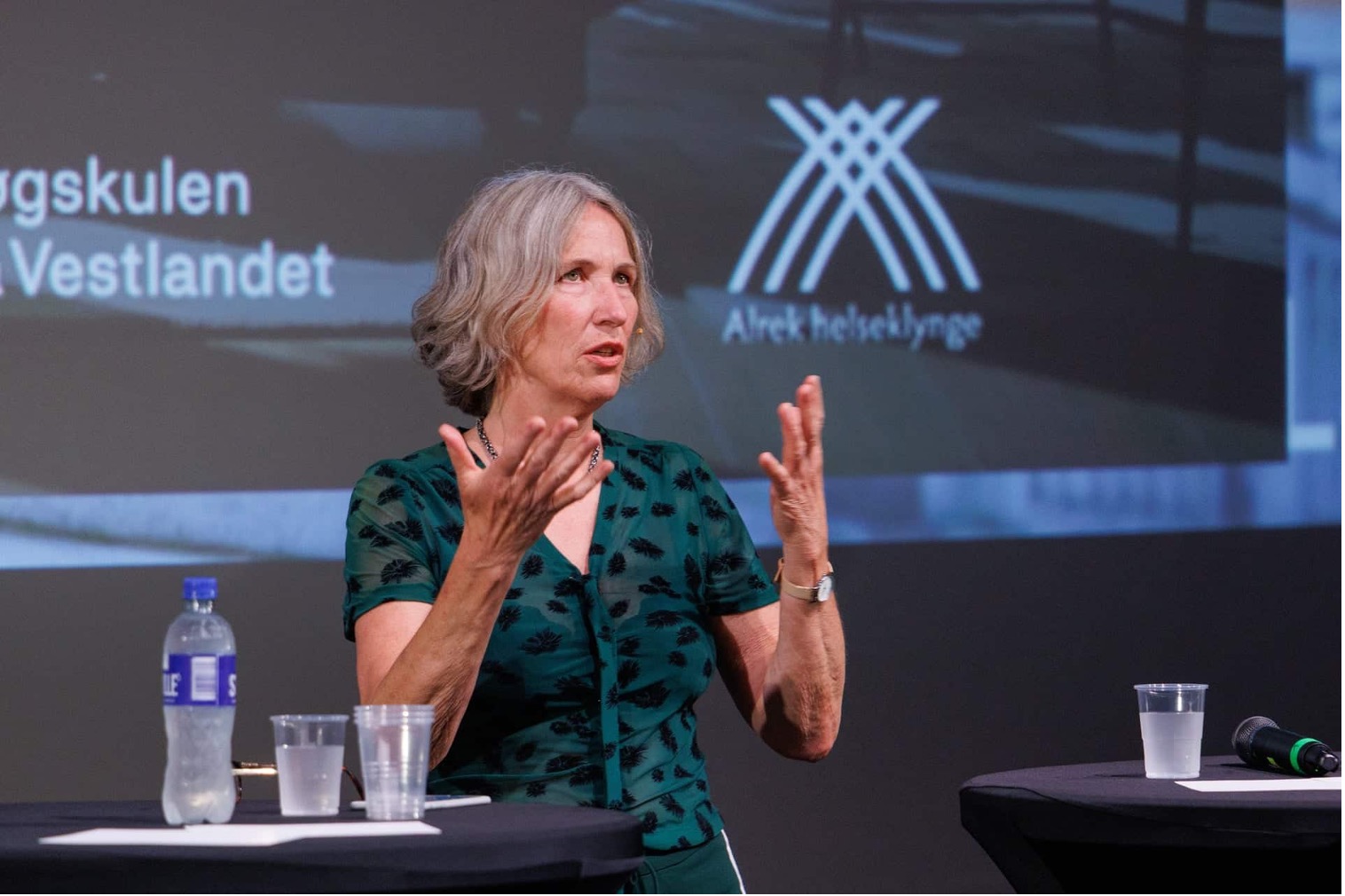
Haukenes simultaneously challenged the very premises of the sick leave debate:
“There is always a debate about women’s absence from work—and that debate is not neutral. We say we need understanding. Yet it is strange and deeply concerning that we are still asking these questions after 15 years, without getting any closer to answers. We must stop comparing men’s and women’s sick leave.”
These figures and perspectives provided a clear backdrop for the subsequent discussion of causes, consequences, and possible measures.
A broadly composed panel
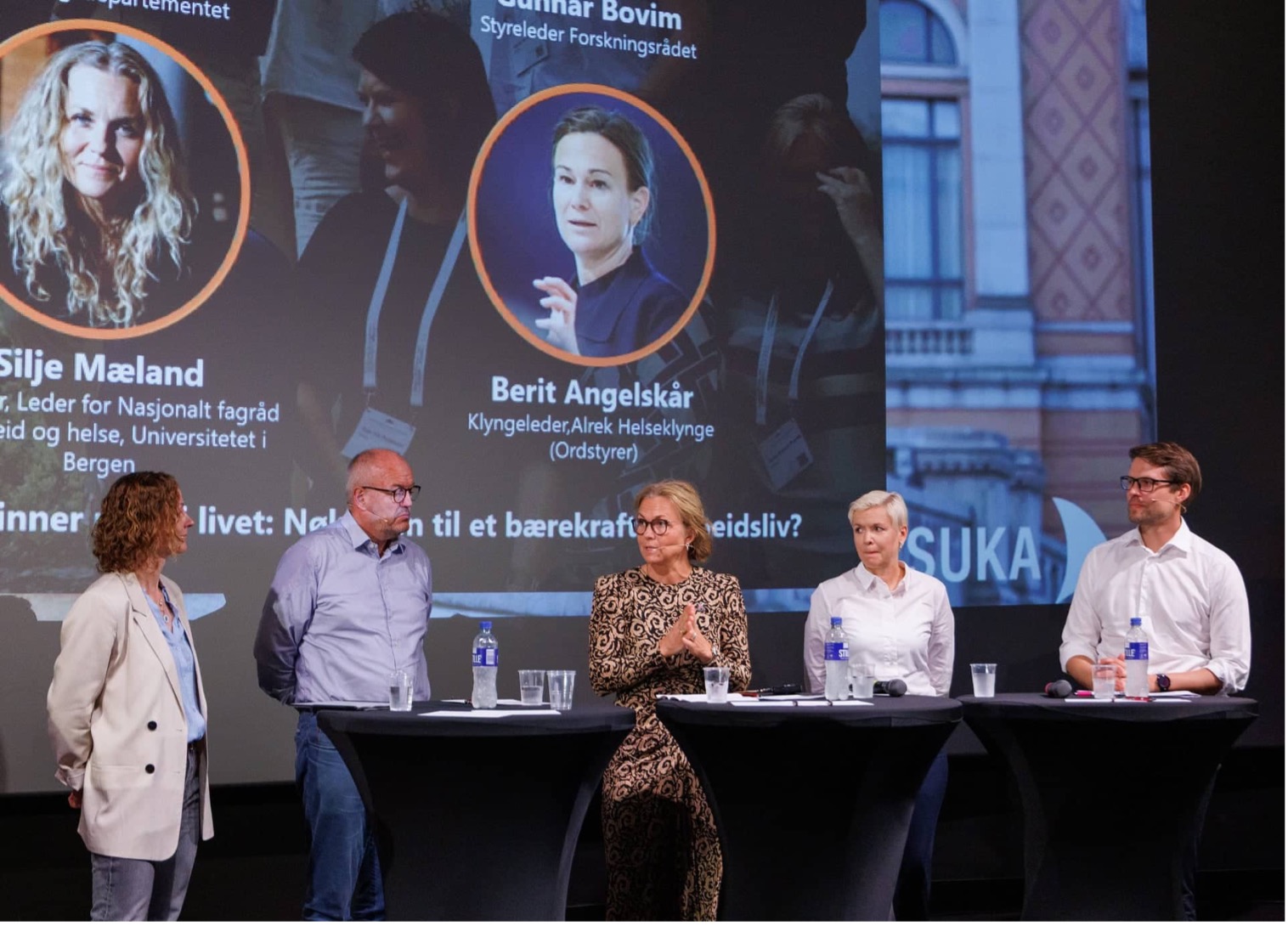
In the following conversation, representatives from trade unions, research, healthcare, working life, and politics came together to discuss causes, solutions, and potential actions. The panel consisted of:
- Silje Mæland, Professor and KLAR researcher, University of Bergen, and Chair of the National Advisory Council for Work and Health
- Merete Husebø, Head of Women’s Health at Equinor
- Berit Angelskår, Cluster Director at Alrek Health Cluster (Moderator)
- Gro Lillebø, Second Deputy Leader of the Norwegian Nurses Organisation
- Gunnar Bovim, Chair of the Board, Research Council of Norway
- Per Olav Skurdal Hopsø, State Secretary, Ministry of Labour and Social Inclusion
Mæland emphasized that a lack of understanding within the healthcare system can be costly—both for individuals and for society:
“Some women spend far too long having to prove that they are ill. We must avoid women being sent on a pilgrimage through the healthcare system, leading to five years of absence or disability benefits that could have been avoided.”
She also referred to recent research findings:
“We conducted a large study involving 350 working Norwegian women, and they tell us that they want employers to put this issue on the agenda. They want it to be taken seriously, they want knowledge, and they want to be met with respect and dignity. This does not mean that all women want to talk about their menopause at work—far from it—but they do expect that knowledge to be present. It can be incorporated into workplace life-phase policies, which would be a natural place for it.”
The discussion addressed working environment, gender equality, leadership responsibility, prevention, and how openness about menopause can strengthen sustainability in working life—particularly within the health and care sector.
Strong engagement
Attendance in the venue, as well as the number of digital participants, indicates that the topic resonates widely. The KLAR project’s ambition to redefine society’s and working life’s understanding of menopause—combined with open dialogue and concrete measures—may help retain experienced women in the workforce, benefiting individuals, organizations, and society as a whole.