

The KLAR project challenges established frameworks
This spring, Norwegian researchers from the University of Bergen (UiB) gave presentations at the EMAS conference for the very first time. But they did not offer treatments or medication—instead, they called for a change in rhetoric and societal reform.
Published:

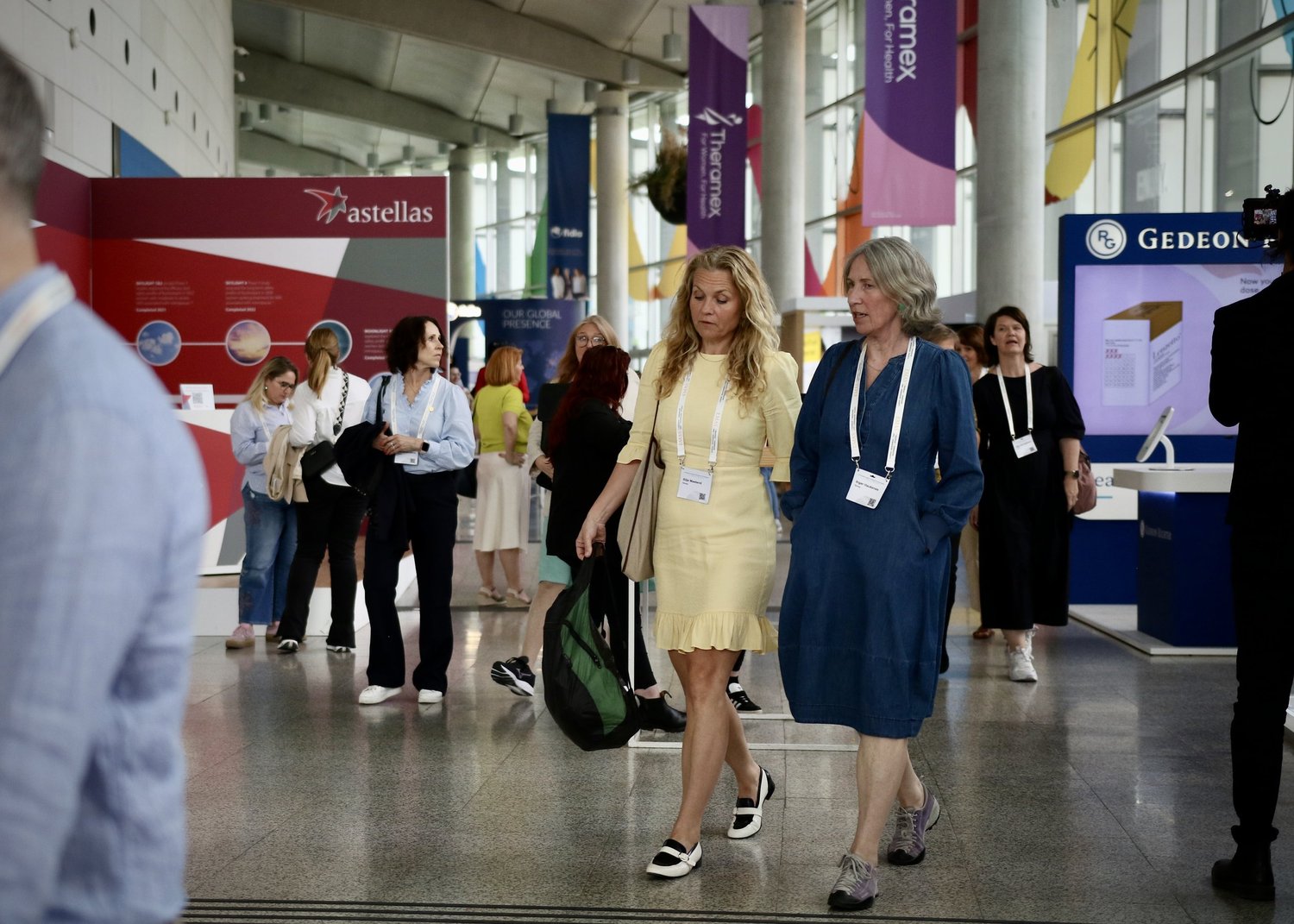
Name badges fluttering in the wind. Pink exhibition booths with assorted slogans. A considerable amount of “urgent help” for the middle-aged, dry vagina. All of this mixed with international professors on large stages, glasses perched at the tip of their noses. Statistics, chuckles, and serious expressions.
It is spring 2025, and the world’s largest international professional conference on menopause—EMAS—is taking place in Valencia, Spain, with thousands of participants from around the globe. Among them are researchers from the University of Bergen and Western Norway University of Applied Sciences.
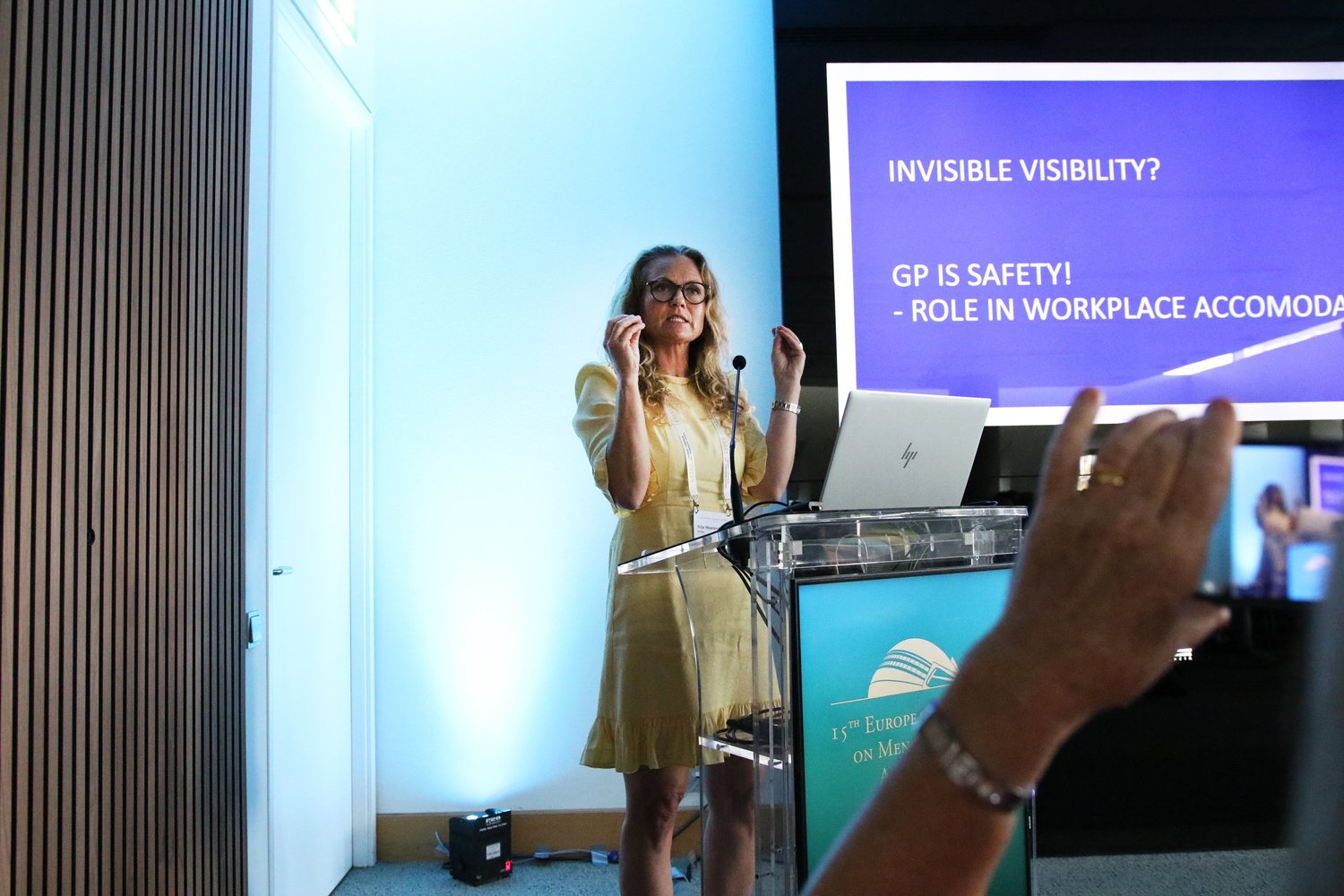
“A dedicated part of the conference focuses on menopause in working life, and we in the KLAR project have entered that race,” says UiB Professor Silje Mæland.
Norwegian findings, internationally confirmed
Amid the serious Spanish “circus,” a sizeable Norwegian delegation is present. For the first time in the conference’s fifteen-year history, Norwegian researchers have been invited to present their findings—on Norwegian women’s experiences of menopause and its impact on working life.
“The UK has come a long way in this type of research. They talk about a ‘menopause revolution.’ From several stages today, I’ve had confirmed what we in KLAR have also found: without greater openness about menopause, we lose opportunities for workplace adaptations that could help retain experienced, highly skilled women in working life, rather than seeing them leave it,” says Mæland. She herself will soon present results to an international audience seated on colorful chairs on the second floor.
Is there particularly little openness in Norway?
“Yes. Many Norwegian women are afraid that if they are honest about how they really feel, it will affect them negatively during the next round of downsizing.”
Norway is eight years behind
Are they right to fear this? Mæland refers to a new British study from 2025 showing that menopause-related challenges can lead to a 20 percent loss in income for women—because some gradually remove themselves from working life to protect their health.
“They often reduce their working hours, for example from full-time to 80 percent. This can significantly affect life situations, such as entering or leaving a marriage. Some women may become more financially dependent on their partner,” Mæland explains.
But is this really something new?
“Well, no. But after attending a series of talks today, I’ve been given words for things I’ve also sensed myself. Being here, listening to and talking with international colleagues, helps us put language to these experiences.”
She adds that Norwegian research in this field is weak.
“For a country that prides itself on gender equality, we have come shockingly short when it comes to menopause research. Imagine that the KLAR study is the very first study in Norway focusing on menopause and working life. So yes—we are novices, and probably five to eight years behind the UK and the US. That’s why we are primarily here to learn today.”
Feeling understood costs nothing
In the three main halls—and across the exhibition floor—there is an enormous focus on hormone therapy and, yes… various lubricants. There is a lot of “fixing her.” Everything at a price, of course. Much of what is presented ultimately leads to treatment—things to be purchased. What KLAR contributes in this bubble may be something quite different.
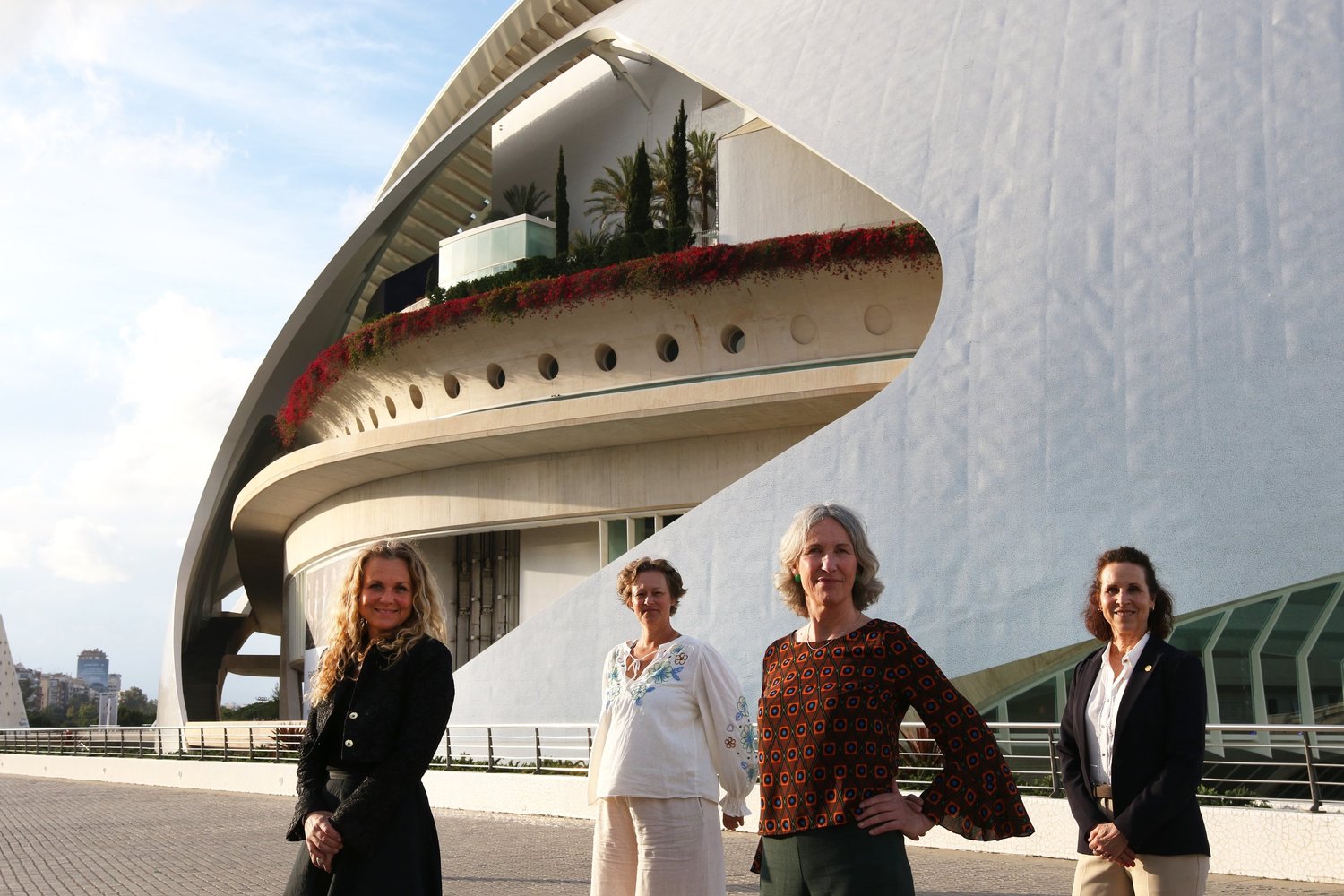
“This is a heavily biomedical bubble. It is a medical conference, after all—where nearly every ticket costs around €1,000. You may well wonder where all that money goes. What KLAR offers are perspectives from broader health sciences, as well as social sciences and philosophy. We look beyond treatment and the individual alone,” says Professor Anette Fagertun from Western Norway University of Applied Sciences.
What kinds of perspectives?
“If women experience good knowledge about menopause in the workplace, it becomes easier to talk to managers about it. Simply feeling understood reduces both discomfort and symptoms. Recognition and workplace adaptation are helpful for many types of challenges,” says project leader Inger Haukenes.
And this is free—for the women themselves?
“Exactly. A healthy lifestyle—with enough sleep, nutritious food, physical activity, sufficient rest, and reduced stress—can also alleviate many symptoms,” says Associate Professor Una Ørvim Sølvik, who will also present findings later that day… albeit three staircases and five doors away from the main halls, where many of the conference’s international researchers offering solutions that cost nothing appear to have been placed.
“But make no mistake—we are proud to be here with our three presentations. That a project still in its early stages has nevertheless been accepted and invited is significant,” Haukenes emphasizes.
The complexity of being open
It is time to show the world what KLAR has found. Silje Mæland sets aside her manuscript and adjusts the microphone. The room falls silent.
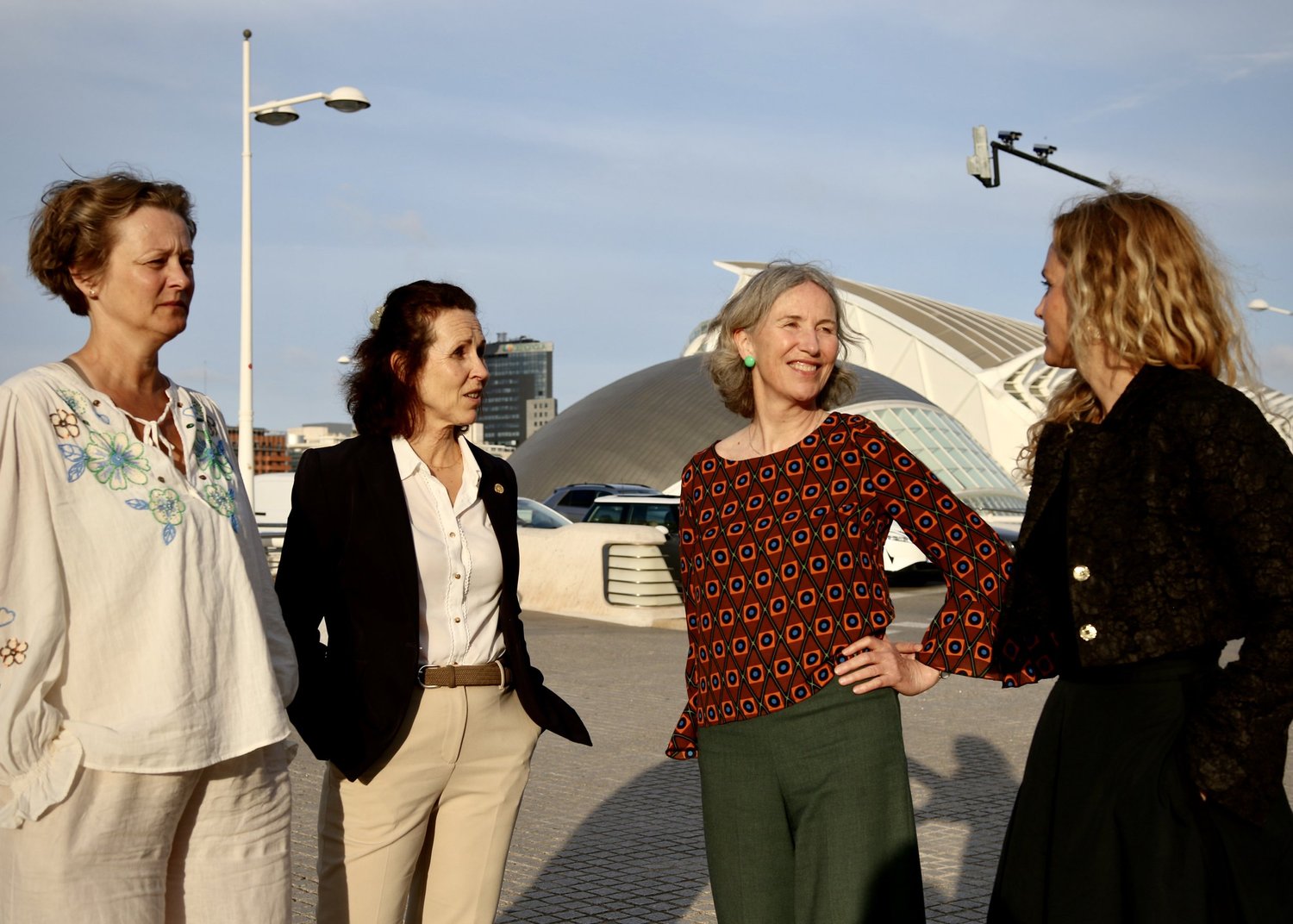
She explains that initial results from interviews with women employed in Norwegian workplaces reveal the complexity of being open with managers and colleagues about health-related challenges. It can be difficult to determine whether reduced productivity should be attributed to fluctuating hormones during a specific life phase—or to “mere” lifestyle factors, genetics, or illnesses with similar symptoms.
Phones click. Some laughter. Many nods. No one is dozing off. Because it is still considered “news” that menopause symptoms are not limited to hot flashes and disappearing menstruation. For some women, they include brain fog, fatigue, depression, anxiety, sleep problems, joint pain, concentration difficulties—an entire range of issues that, as Mæland puts it, “get lumped together.”
“The way working life is structured today leaves no room for the female body and everything that comes with it. There’s a lot going on with us. And yes, we need healthy people at work—but at the same time, there are no good systems for handling people who function at less than 100 percent. This is difficult to talk about because of shame and stigma. That’s why our project also receives criticism: ‘You are once again portraying women as the weaker sex’ or ‘this only leads to medicalization.’ So this is a major dilemma. We have everything to lose by showing vulnerability,” Mæland says after her 20 minutes in the spotlight.
A need for a shift in rhetoric
So, what measures should be taken? Perhaps we need to change the premises. Understand that it is not the female body that is inadequate, but the system that is too narrow. That women in midlife are not fragile, but powerful—not weak, but solution-oriented—not shirkers, but responsible contributors.
Above all, the KLAR team believes, we must start talking about this—positively.
“Cultural change takes time, but we have to start somewhere. Yes, talking about bodies in the workplace is risky—but women are vulnerable within the ‘working-life framework’ that has been constructed. It is the framework and the established structures that are flawed, not us. That framework needs to be shaken,” says Anette Fagertun.
“But that’s a much bigger operation than simply adjusting shift schedules,” adds Inger Haukenes.
“At the very least, we cannot continue with angry feminist rhetoric about ‘men running the world’ or ‘it’s the patriarchy’s fault.’ That misses the mark. If this topic is to truly take off and be taken seriously, the rhetoric should move toward: ‘Without these women at work tomorrow, Norway collapses.’ This is about women’s value in working life—not about who has held us back. That is history and cannot be changed now. We must awaken understanding and empathy, not sympathy,” Mæland concludes.
And that applies to both men and women?
“Absolutely. There are many women who don’t understand what other women are talking about when they share their menopause-related challenges. Many female doctors dismiss it without understanding much of what some of us experience. But today I spoke to a man who said: ‘I have no basis for understanding what you’re going through—and that’s precisely why I believe every word you say.’”