

Detecting a dangerous hormonal disorder while patients sleep
A new technique for measuring hormones around the clock shows that excess hormone production at night and in the early morning can cause a common but dangerous form of high blood pressure.
By: Åshild Nylund
Published: (Updated: )

Researchers at the University of Bergen and Haukeland University Hospital have, for the first time, tracked hormone production in people with high blood pressure over a full 24-hour period, while participants went about their normal lives at home and at work. The research could help many more people with high blood pressure receive the correct diagnosis and treatment.
Hormonal disorder can go undetected
The study, published in Science Translational Medicine, shows that the adrenal hormone aldosterone can be released in abnormally large amounts at night and in the early morning – at times when samples are not usually taken.
This can cause the condition primary aldosteronism to go undetected, because samples taken during the day may show normal levels. In people with this condition, the adrenal glands produce too much of the hormone aldosterone.
The condition is responsible for high blood pressure in around 10 per cent of people with hypertension and is particularly important to detect because it increases the risk of heart attack and brain hemorrhage, as well as the risk of death associated with high blood pressure.
Effective treatment is available when the condition is diagnosed. In some cases, one of the two adrenal glands can be removed, curing the condition.
The hormonal disorder occurs at night
The findings challenge the current understanding of the condition.
“Traditionally, doctors have measured the hormone aldosterone in a single blood sample taken during the day. The new study shows that hormone secretion varies considerably throughout the 24-hour cycle, and that the greatest differences between healthy people and patients occur at night and in the early morning.
“This may explain why current diagnostic tests often fail to detect the condition,” says senior author Eystein S. Husebye, professor at the University of Bergen and senior consultant at Haukeland University Hospital.
New wearable technology
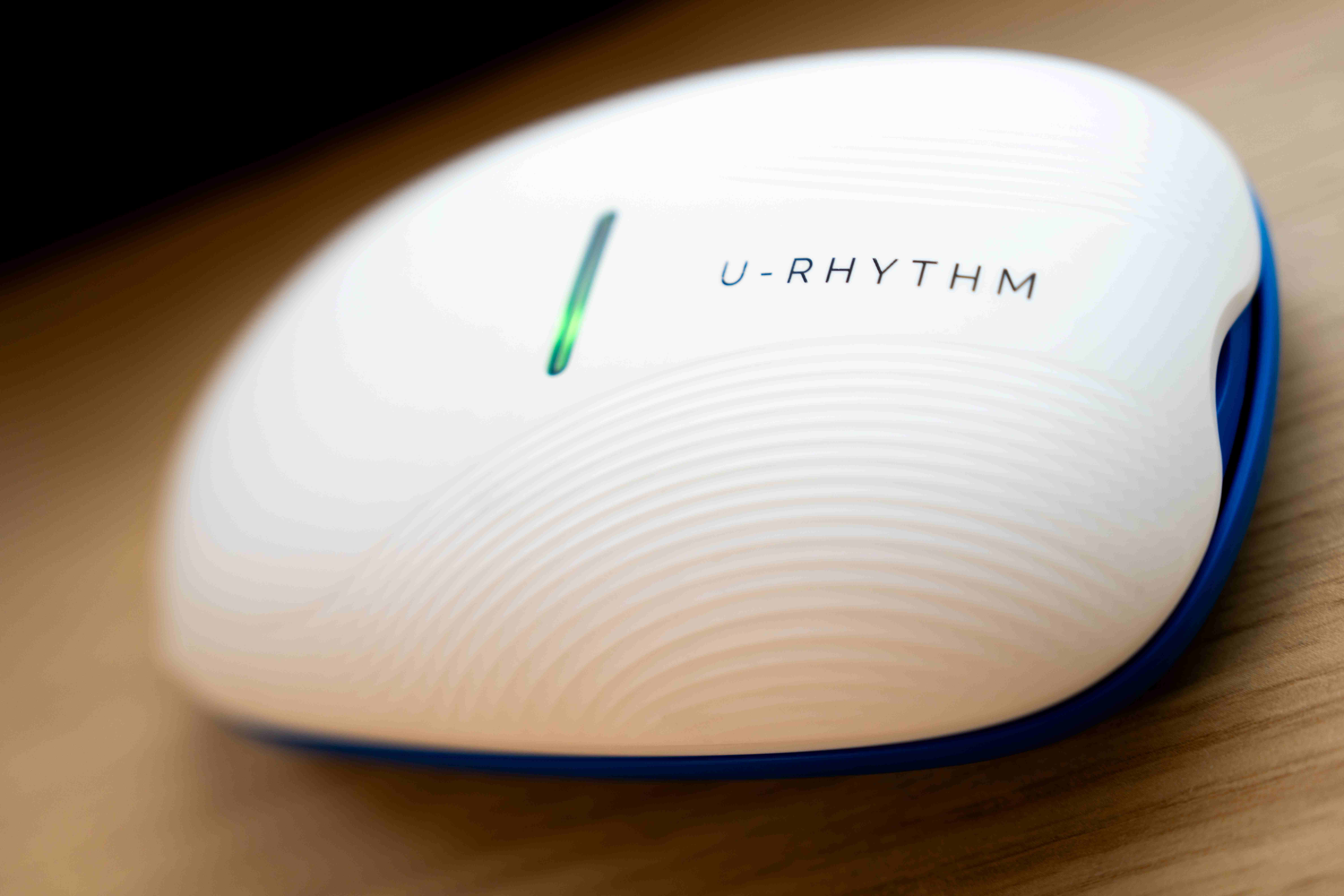
The researchers used a small, wearable sampler they developed themselves to collect samples of interstitial fluid over a 24-hour period. Participants were able to go about their normal lives while the samples were collected.
A total of 60 patients with high blood pressure were studied and compared with more than 200 healthy people. By tracking hormone levels over time, the researchers were able to identify hormonal patterns that do not show up in a single blood test.
Could enable earlier diagnosis
The study shows that characteristic hormonal patterns can be identified using advanced hormone analyses and artificial intelligence. The researchers believe the method could eventually help detect disease earlier and more accurately than current tests.
“We are moving from static blood tests to mapping the body’s hormonal rhythms. This opens entirely new possibilities for diagnosing and treating hormonal disorders,” says Marianne Grytaas, first author of the study. She is senior consultant and researcher at Helse Bergen.
Important for many people with high blood pressure
International guidelines now recommend that people with high blood pressure be assessed for primary aldosteronism. The researchers’ findings suggest that the condition may be more common than previously thought, and that many patients may remain undiagnosed for years.
The study shows why it may be important to consider not only how much hormone is present in a single blood sample, but also when the hormones are produced.
The researchers hope that a better understanding of hormonal rhythms will eventually help more people with primary aldosteronism receive the correct diagnosis and targeted treatment.
The study was carried out in Bergen, Bristol, Stockholm and Athens as part of the European research project ULTRADIAN.
The research was funded by, among others, the EU’s Horizon 2020 research programme, the Trond Mohn Research Foundation, UK Research and Innovation (UKRI), the Swedish Research Council and the Knut and Alice Wallenberg Foundation.
Read the article
Marianne Grytaas et al.: Tissue corticosteroid rhythms are dysregulated predominantly during sleep in primary aldosteronism (external link), Science Translational Medicine 18, eaeb7517 (2026).