

Translational Protein Research
Protein N-terminal acetylation From molecular mechanisms to human disease Most proteins are chemically modified in the cell and such modifications are often crucial for the protein’s ability to carry out a function. N-terminal acetylation one of the most common modifications in eukaryotes. It is catalyzed by N-terminal acetyltransferases (NATs) which are linked to cancer, genetic syndromes, and regulation of human metabolism.

About the research group
Translational Protein Research group (Arnesen lab) is part of the Systems Biology and Translational Cell Signaling research unit at the Department of Biomedicine.
Areas of research
Protein N-terminal acetylation
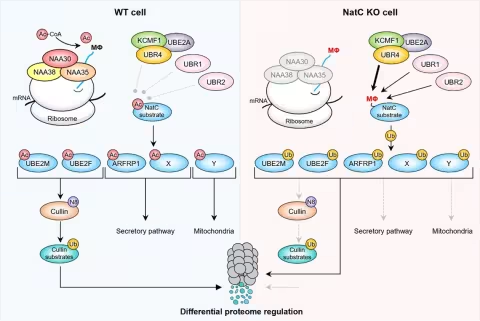
Protein N-terminal acetylation is among the most common types of protein modifications occurring on approximately 50 % of all yeast proteins and more than 80 % of all human proteins. Surprisingly, there is yet no clear functional understanding of how N-terminal acetylation affects proteins in general, although recent data indicate roles in protein folding, turnover and subcellular targeting. N-terminal acetylation is a co-translational process occurring on the ribosomes and is considered irreversible. However, we recently identified the first human enzymes acting post-translationally. An N-terminal acetyltransferase (NAT) transfers an Acetyl group from Acetyl Coenzyme A to the alpha-amino group of the N-terminal amino acid residue of the protein.
During the last two decades, all human NATs have been identified and characterized by our group. In humans as in yeast, three NAT complexes NatA, NatB and NatC are believed to perform most N-terminal acetylations. Each NAT complex is composed of specific subunits and acetylates a specific subset of substrates. A number of studies have described various aspects of N-terminal acetylation in humans, such as substrates, the molecular mechanisms, impact for protein fate, cellular roles, and connections to cancer and neurodegenerative disease. Through these studies, a complex and specific system of N-terminal acetylation has been revealed. The importance of N-terminal acetylation in human cell biology and disease is increasingly recognized.
Active research projects
The focus of our group is centered around protein N-terminal acetylation, both revealing the molecular and biological concepts of this protein modification as well as studying it in a human disease-perspective:
- The molecular mechanisms of N-terminal acetylation
- The functional role of N-terminal acetylation at the single protein level
- Characterization of all human NATs (subunit composition, substrate specificity etc.)
- The cellular impact of the human NATs (KD/KO phenotypes)
- The role of NATs in cancer and other diseases
- Development and use of NAT-specific inhibitors
A second project is centered around the molecular biology and clinical aspects of different endocrine tumours, in particular adrenal and thyroid tumours. This project is based on a patient biobank at the Department of Surgery, Haukeland University Hospital, and is a collaboration between HUS, MED (Biomed/K2) and MatNat (Bio).
We acknowledge research support from the European Research Council (ERC Consolidator Grant), the Research Council of Norway (Toppforsk), the Norwegian Cancer Society, Novo Nordisk Foundation and Helse Vest.
Featured



Publications
Selected publications
Klein M, Wild K, McTiernan N, Arnesen T, Sinning I (2026) NatA engages in multi-factor complexes at the ribosomal polypeptide tunnel exit. Nature Commun 17(1):884.
McTiernan N, Kjosås I, Arnesen T (2025) Illuminating the impact of N-terminal acetylation: from protein to physiology. Nature Commun 16(1):703.
Øye H, Lundekvam M, Caiella A, Hellesvik M, Arnesen T (2025) Protein N-terminal modifications: molecular machineries and biological implications. Trends Biochem Sci 50(4):290-310.
Myllykoski M*, Lundekvam M, Osberg C, Nilsen SS, Arnesen T* (2025) The molecular basis for acetylhistidine synthesis by HisAT/NAT16. Nature Commun 16(1):5960.
Heathcote KC, Keeley TP, Myllykoski M, Lundekvam M, McTiernan N, Akter S, Masson N, Ratcliffe PJ*, Arnesen T*, Flashman E* (2024) N-terminal cysteine acetylation and oxidation patterns may define protein stability. Nature Commun 15(1):5360.
Chelban V*, Aksnes H*, Maroofian R, LaMonica LC, Seabra L, Siggervåg A, Devic P, Shamseldin HE, Vandrovcova J, Murphy D, Richard AC, Quenez O, Bonnevalle A, Zanetti MN, Kaiyrzhanov R, Salpietro V, Efthymiou S, Schottlaender LV, Morsy H, Scardamaglia A, Tariq A, Pagnamenta AT, Pennavaria A, Krogstad LS, Bekkelund ÅK, Caiella A, Glomnes N, Brønstad KM, Tury S, Moreno De Luca A, Boland-Auge A, Olaso R, Deleuze JF, Anheim M, Cretin B, Vona B, Alajlan F, Abdulwahab F, Battini JL, İpek R, Bauer P, Zifarelli G, Gungor S, Kurul SH, Lochmuller H, Da'as SI, Fakhro KA, Gómez-Pascual A, Botía JA, Wood NW, Horvath R, Ernst AM, Rothman JE, McEntagart M, Crow YJ, Alkuraya FS, Nicolas G; SYNaPS Study Group; Arnesen T*, Houlden H* (2024) Biallelic NAA60 variants with impaired n-terminal acetylation capacity cause autosomal recessive primary familial brain calcifications Nature Commun 15(1):2269. Commentary: Mov Disord, 39(10):1731.
Kind L, Molnes J, Tjora E, Raasakka A, Myllykoski M, Colclough K, Saint-Martin C, Adelfalk C, Dusatkova P, Pruhova S, Valtonen-André C, Bellanné-Chantelot C, Arnesen T*, Kursula P, Njølstad PR* (2024) Molecular mechanism of HNF-1A mediated HNF4A gene regulation and promoter-driven HNF4A-MODY diabetes. JCI Insight 9(11):e175278.
Arnesen T, Kjosås I, McTiernan N (2024) Protein N-terminal acetylation is entering the degradation end game Nat Rev Mol Cell Biol 25(5):335-336.
Ree R*, Lin S-J, Dahl LOS, Huang K, Petree C, Varshney GK*, Arnesen T* (2024) Naa80 is required for actin N-terminal acetylation and normal hearing in zebrafish. Life Sci Alliance 7(12):e202402795. Issue cover image.
Varland S*, Silva RD*, Kjosås I, Faustino A, Bogaert A, Billmann M, Boukhatmi H, Kellen B, Costanzo M, Drazic A, Osberg C, Chan K, Zhang X, Tong AHY, Andreazza S, Lee JJ, Nedyalkova L, Ušaj M, Whitworth AJ, Andrews BJ, Moffat J, Myers CL, Gevaert K, Boone C, Martinho RG*, Arnesen T* (2023) N-terminal acetylation shields proteins from degradation and promotes age-dependent motility and longevity Nature Commun 14(1):6774. Editor's Highlights. Invited commentary: Nat Rev Mol Cell Biol, 25(5):335-336.
Guzman UH, Aksnes H, Ree R, Krogh N, Jakobsson ME, Jensen LJ, Arnesen T*, Olsen JV* (2023) Loss of N-terminal acetyltransferase A activity induces thermally unstable ribosomal proteins and increases their turnover in Saccharomyces cerevisiae Nature Commun 14(1):4517. Editor's Highlights.
Aksnes H, McTiernan N, Arnesen T (2023) NATs at a glance J Cell Sci 136 (14): jcs260766
Van Damme P, Osberg C, Jonckheere V, Glomnes N, Gevaert K, Arnesen T, Aksnes H (2023) Expanded in vivo substrate profile of the yeast N-terminal acetyltransferase NatC. J Biol Chem 299(2):102824
Arnesen T, Aksnes H, Giglione C (2023) Protein Termini 2022: central roles of protein ends Trends Biochem Sci 48(6):495-499
Kind L, Raasakka A, Molnes J, Aukrust I, Bjørkhaug L, Njølstad PR, Kursula P, Arnesen T (2022) Structural and biophysical characterization of transcription factor HNF-1A as a tool to study MODY3 diabetes variants. J Biol Chem 298(4):101803
McTiernan N, Tranebjærg L, Bjørheim AS, Hogue JS, Wilson WG, Schmidt B, Boerrigter MM, Nybo ML, Smeland MF, Tümer Z, Arnesen T (2022) Biochemical analysis of novel NAA10 variants suggests distinct pathogenic mechanisms involving impaired protein N‑terminal acetylation. Hum Genet 141(8):1355-1369.
Drazic A, Timmerman E, Kajan U, Marie M, Varland S, Impens F, Gevaert K, Arnesen T (2022) The final maturation state of β-actin involves N-terminal acetylation by NAA80 not N-terminal arginylation by ATE1. J Mol Biol 434(2):167397.
Morrison J, Altuwaijri NK, Brønstad K, Aksnes H, Alsaif HS, Evans A, Hashem M, Wheeler PG, Webb BD, Alkuraya FS, Arnesen T (2021) Missense NAA20 variants impairing the NatB protein N-terminal acetyltransferase cause autosomal recessive developmental delay, intellectual disability, and microcephaly. Genet Med 23(11):2213-2218.
Kweon HY, Lee MN, Dorfel M, Seo S, Gottlieb L, PaPazyan T, McTiernan N, Ree R, Bolton D, Garcia A, Flory M, Crain J, Sebold A, Lyons S, Ismail A, Marchi E, Sonn SK, Jeong SJ, Jeon S, Ju S, Conway SJ, Kim T, Kim HS, Lee C, Roh TY, Arnesen T, Marmorstein R, Oh GT, Lyon GJ (2021) Naa12 compensates for Naa10 in mice in the amino-terminal acetylation pathway. eLife 10:e65952.
Ward TL, Tai W, Morton SU, Impens F, VanDamme P, Van Haver D, Timmerman E, Venturini G, Zhang K, Jang MY, Willcox JA, Haghighi A, Gelb BD, Chung WK, Goldmuntz E, Porter GA, Lifton R, Brueckner M, Yost HJ, Bruneau BG, Gorham J, Kim Y, Pereira AC, Homsy J, Benson CC, DePalma SR, Varland S, Chen CS, Arnesen T, Gevaert K, Seidman CE, Seidman JG (2021) Mechanisms of Congenital Heart Disease Caused by NAA15 Haploinsufficiency. Circ Res 128(8):1156-1169. Commentary by Timothy Cashman and Chinmay Trivedi (2021) N-Acetyl Transferases - New Insights Into Human Congenital Cardiovascular Defects. Circ Res 128(8):1170–1172.
McTiernan N, Gill H, Prada CE, Pachajoa H, Lores J, CAUSES study, Arnesen T (2021) NAA10 p.(N101K) disrupts N-terminal acetyltransferase complex NatA and is associated with developmental delay and hemihypertrophy Eur J Hum Genet 29(2):280-288.
Deng S, McTiernan N, Wei X, Arnesen T, Marmorstein R (2020) Molecular basis for N-terminal acetylation by human NatE and its modulation by HYPK Nature Commun 11:818.
Rebowski G, Boczkowska M, Drazic A, Ree R, Goris M, Arnesen T, Dominguez R (2020) Mechanism of actin N-terminal acetylation Science Adv 6:eaay8793.
Ree R, Kind L, Kaziales A, Varland S, Dai M, Richter K, Drazic A, Arnesen T (2020) PFN2 and NAA80 cooperate to efficiently acetylate the N-terminus of actin. J Biol Chem 295(49):16713-16731.
Beigl T, Hellesvik M, Saraste J, Arnesen T, Aksnes H (2020) N-terminal acetylation of actin by NAA80 is essential for structural integrity of the Golgi apparatus Exp Cell Res 390(2):111961.
Krtenic B, Drazic A, Arnesen T, Reuter N (2020) Classification and phylogeny for the annotation of novel eukaryotic GNAT acetyltransferases. PLoS Comp Biol 16(12):e1007988.
Aksnes H, Ree R, Arnesen T (2019) Co-translational, post-translational and non-catalytic roles of N-terminal acetyltransferases Mol Cell 73(6):1097-1114.
Drazic A, Aksnes H, Marie M, Boczkowska M, Varland S, Timmerman E, Foyn H, Glomnes N, Rebowski G, Impens F, Gevaert K, Dominguez R, Arnesen T (2018) NAA80 is actin’s N-terminal acetyltransferase and regulates cytoskeleton assembly and cell motility Proc Natl Acad Sci USA 115(17):4399-4404. Front page and Commentaries: NATure of actin amino-terminal acetylation Proc Natl Acad Sci USA 115 (17) 4314-4316, and Actin's N-terminal acetyltransferase uncovered Cytoskeleton (Hoboken) doi: 10.1002/cm.21455.
Goris M, Magin RS, Foyn H, Myklebust LM, Varland S, Ree R, Drazic A, Bhambra P, Støve SI, Baumann M, Haug BE, Marmorstein R, Arnesen T (2018) Structural determinants and cellular environment define processed actin as the sole substrate of the N-terminal acetyltransferase NAA80 Proc Natl Acad Sci USA 115(17):4405-4410.
Varland S, Aksnes H, Kryuchkov F, Impens F, Van Haver D, Jonckheere V, Ziegler M, Gevaert K, Van Damme P, Arnesen T (2018) N-terminal acetylation levels are maintained during acetyl-CoA deficiency in Saccharomyces cerevisiae Mol Cell Proteomics 17(12):2309-2323.
Ree R, Varland S, Arnesen T (2018) Spotlight on protein N-terminal acetylation Exp Mol Med 50(7):90.
Cheng H, Dharmadhikari AV, Varland S, Ma N, Domingo D, Kleyner R, Rope AF, Yoon M, Stray-Pedersen A, Posey JE, Crews SR, Eldomery MK, Akdemir ZC, Lewis AM, Sutton VR, Rosenfeld JA, Conboy E, Agre K, Xia F, Walkiewicz M, Longoni M, High FA, van Slegtenhorst MA, Mancini GMS, Finnila CR, van Haeringen A, den Hollander N, Ruivenkamp C, Naidu S, Mahida S, Palmer EE, Murray L, Lim D, Jayakar P, Parker MJ, Giusto S, Stracuzzi E, Romano C, Beighley JS, Bernier RA, Küry S, Nizon M, Corbett MA, Shaw M, Gardner A, Barnett C, Armstrong R, Kassahn KS, Van Dijck A, Vandeweyer G, Kleefstra T, Schieving J, Jongmans MJ, de Vries BBA, Pfundt R, Kerr B, Rojas SK, Boycott KM, Person R, Willaert R, Eichler EE, Kooy F, Yang Y, Wu JC, Lupski JR, Arnesen T, Cooper GM, Chung WK, Gecz J, Stessman HAF, Meng L, Lyon GJ (2018) Truncating Variants in NAA15 Are Associated with Variable Levels of Intellectual Disability, Autism Spectrum Disorder, and Congenital Anomalies Am J Hum Genet DOI: 10.1016/j.ajhg.2018.03.004
Aksnes H, Goris M, Strømland Ø, Drazic A, Waheed Q, Reuter N, Arnesen T (2017) Molecular determinants of the N-terminal acetyltransferase Naa60 anchoring to the Golgi membrane J Biol Chem 292(16):6821-6837.
Aksnes H, Drazic A, Marie M, Arnesen T (2016) First Things First: Vital Protein Marks by N-Terminal Acetyltransferases. Trends Biochem Sci 41(9):746-60.
Støve SI, Magin R, Foyn H, Haug BE, Marmorstein R, Arnesen T (2016) Crystal structure of the Golgi-associated human N-alpha acetyltransferase 60 reveals the molecular determinants for substrate-specific acetylation. Structure 24(7):1044-56.
Van Damme P, Kalvik TV, Starheim KK, Jonckheere V, Myklebust LM, Menschaert G, Varhaug JE, Gevaert K, Arnesen T (2016) A role for human N-terminal acetyltransferase Naa30 in maintaining mitochondrial integrity. Mol Cell Proteomics 15(11):3361-3372.
Saunier C, Støve SI, Popp B, Gérard B, Blenski M, AhMew N, de Bie C, Goldenberg P, Isidor B, Keren B, Leheup B, Lampert L, Mignot C, Tezcan K, Mancini GM, Nava C, Wasserstein M, Bruel AL, Thevenon J, Masurel A, Duffourd Y, Kuentz P, Huet F, Rivière JB, van Slegtenhorst M, Faivre L, Piton A, Reis A, Arnesen T, Thauvin-Robinet C, Zweier C (2016) Expanding the Phenotype Associated with NAA10 Related N-terminal Acetylation Deficiency. Hum Mutat 37(8):755-64.
Drazic A, Myklebust LM, Ree R, Arnesen T (2016) The world of protein acetylation. Biochim Biophys Acta 1864(10):1372-401.
Aksnes H, Van Damme P, Goris M, Starheim KK, Marie M, Støve SI, Hoel C, Kalvik TV, Hole K, Glomnes N, Furnes C, Ljostveit S, Ziegler M, Niere M, Gevaert K, Arnesen T (2015) An Organellar N-alpha Acetyltransferase, Naa60, Acetylates Cytosolic N-termini of Transmembrane Proteins and Maintains Golgi Integrity. Cell Rep 10(8):1362-74.
Linster E, Stephan I, Bienvenut WV, Maple-Grødem J, Myklebust LM, Huber M, Reichelt M, Sticht C, Geir Møller S, Meinnel T, Arnesen T, Giglione C, Hell R, Wirtz M (2015) Downregulation of N-terminal acetylation triggers ABA-mediated drought responses in Arabidopsis. Nature Commun 6:7640.
Myklebust LM, Van Damme P, Støve SI, Dörfel MJ, Abboud A, Kalvik TV, Grauffel C, Jonckheere V, Wu Y, Swensen J, Kaasa H, Liszczak G, Marmorstein R, Reuter N, Lyon GJ, Gevaert K, Arnesen T (2015) Biochemical and cellular analysis of Ogden syndrome reveals downstream Nt-acetylation defects. Hum Mol Genet 24(7):1956-76.
Van Damme P, Hole K, Gevaert K, Arnesen T (2015) N-terminal acetylome analysis reveals the specificity of Naa50 (Nat5) and suggests a kinetic competition between N-terminal acetyltransferases and methionine aminopeptidases. Proteomics 15(14):2436-46.
Varland S, Osberg C, Arnesen T (2015) N-terminal modifications of cellular proteins: the enzymes involved, their substrate specificities and biological effects. Proteomics 15(14):2385-401.
Van Damme P, Støve SI, Glomnes N, Gevaert K, Arnesen T (2014) A Saccharomyces cerevisiae model reveals in vivo functional impairment of the Ogden syndrome N-terminal acetyltransferase Naa10S37P mutant. Mol Cell Proteomics 13(8):2031-41.
Liszczak G, Goldberg JM, Foyn H, Petersson EJ, Arnesen T, Marmorstein R (2013) Molecular basis for N-terminal acetylation by the heterodimeric NatA complex. Nature Struct Mol Biol 20(9):1098-105.
Foyn H, Jones JE, Lewallen D, Narawane R, Varhaug JE, Thompson PR, Arnesen T (2013) Design, Synthesis, and Kinetic Characterization of Protein N-Terminal Acetyltransferase Inhibitors. ACS Chem Biol 8:1121-1127.
Kalvik TV and Arnesen T (2013) Protein N-terminal acetyltransferases in cancer. Oncogene 32:269–276.
Foyn H, Van Damme P, Støve S, Glomnes N, Evjenth R, Gevaert K, Arnesen T (2013) Protein N-Terminal acetyltransferases act as N-Terminal propionyltransferases in vitro and in vivo. Mol Cell Proteomics 12:42-54. Covered by ASBMB news
Starheim KK, Gevaert K, Arnesen T (2012) Protein N-terminal acetyltransferases: when the start matters. Trends Biochem Sci 37(4):152-61. Selected by the Editorial Board to the top ten TiBS articles of 2012.
Van Damme P, Lasa M, Polevoda B, Gazquez C, Elosegui-Artola A, Kim DS, De Juan-Pardo E, Demeyer K, Hole K, Larrea E, Timmerman E, Prieto J, Arnesen T, Sherman F, Gevaert K, Aldabe R (2012) N-terminal acetylome analyses and functional insights of the N-terminal acetyltransferase NatB. Proc Natl Acad Sci USA 109(31):12449-54.
Arnesen T (2011) Towards a functional understanding of protein N-terminal acetylation. PLoS Biology 9(5):e1001074.
Rope A, Wang K, Evjenth R, Xing J, Johnston JJ, Swensen JJ, Johnson WE, Moore B, Huff CD, Bird LM, Carey JC, Opitz JM, Stevens CA, Jiang T, Schank C, Fain HD, Robison R, Dalley B, Chin S, South ST, Pysher TJ, Jorde LB, Hakonarson H, Lillehaug JR, Biesecker LB, Yandell M, Arnesen T, Lyon GJ (2011) Using VAAST to Identify an X-Linked Disorder Resulting in Lethality in Male Infants Due to N-Terminal Acetyltransferase Deficiency. Am J Hum Genet 89(1):28-43. Comment in Nature News: doi:10.1038/news.2011.382
Van Damme P, Hole K, Pimenta-Marques A, Helsens K, Vandekerckhove J, Martinho RG, Gevaert K, Arnesen T (2011) NatF Contributes to an Evolutionary Shift in Protein N-Terminal Acetylation and Is Important for Normal Chromosome Segregation. PLoS Genet 7(7):e1002169.
Liszczak G, Arnesen T, Marmorstein R (2011) Structure of a ternary Naa50p (NAT5/SAN) Nα-terminal acetyltransferase complex reveals the molecular basis for substrate specific acetylation. J Biol Chem 286(42):37002-10.
Van Damme P, Evjenth R, Foyn H, Demeyer K, De Bock P-J, Lillehaug JR, Vandekerckhove J, Arnesen T, Gevaert K (2011) Proteome-derived peptide libraries allow detailed analysis of the substrate specificities of Nα-acetyltransferases and point to hNaa10p as the posttranslational actin Nα-acetyltransferase. Mol Cell Proteomics 10:M110.004580.
Arnesen T, Starheim KK, Van Damme P, Evjenth R, Dinh H, Betts M, Ryningen A, Vandekerckhove J, Gevaert K, Anderson D (2010) The chaperone-like protein HYPK acts together with NatA in cotranslational N-terminal acetylation and prevention of Huntingtin aggregation. Mol Cell Biol 30(8):1898-909.
Arnesen T, Van Damme P, Polevoda B, Helsens K, Evjenth R, Colaert N, Varhaug JE, Vandekerckhove J, Lillehaug JR, Sherman F, Gevaert K (2009) Proteomics analyses reveal the evolutionary conservation and divergence of N-terminal acetyltransferases from yeast and humans. Proc Natl Acad Sci USA 106:8157-8162.
Starheim K, Gromyko D, Ryningen A, Varhaug JE, Lillehaug JR, Arnesen T (2009) Knockdown of the human NatC protein Nα-terminal acetyltransferase complex induces p53-mediated apoptosis and aberrant hArl8b localization. Mol Cell Biol 29(13):3569-81.
Evjenth R, Hole K, Karlsen OA, Ziegler M, Arnesen T, Lillehaug JR (2009) Human Naa50 (Nat5/San) displays both protein N-alpha and N-epsilon acetyltransferase activity. J Biol Chem. 284(45):31122-9.
Arnesen T, Gromyko D, Pendino F, Ryningen A, Varhaug JE, Lillehaug JR. (2006) Induction of apoptosis in human cells by RNAi mediated knock-down of hARD1 and NATH, components of the protein N-α-acetyltransferase complex. Oncogene 25:4350-4360.
Arnesen T, Anderson D, Baldersheim C, Lanotte M, Varhaug JE, Lillehaug JR. (2005) Identification and characterization of the human ARD1-NATH protein acetyltransferase complex. Biochemical J 386(Pt 3):433-43.
All publications
Peer reviewed publications (chronological order):
1. Arnesen T, Anderson D, Baldersheim C, Lanotte M, Varhaug JE, Lillehaug JR. (2005) Identification and characterization of the human ARD1-NATH protein acetyltransferase complex. Biochemical J 386(Pt 3):433-43.
2. Furnes C, Arnesen T, Askjaer P, Kjems J, Szilvay AM. (2005) HIV-1 Rev oligomerization is not obligatory in the presence of an extra basic domain. Retrovirology 2(1):39.
3. Arnesen T, Gromyko D, Horvli O, Fluge Ø, Lillehaug JR, Varhaug JE (2005) Expression of NATH and hARD1 proteins in thyroid neoplasms. Thyroid 15(10):1131-6.
4. Arnesen T, Kong X, Evjenth R, Gromyko D, Varhaug JE, Lin Z, Sang N, Caro J, Lillehaug JR. (2005) Interaction between HIF-1α (ODD) and hARD1 does not induce acetylation and destabilization of HIF-1α. FEBS Lett 579(28):6428-32.
5. Arnesen T, Anderson D, Torsvik J, Varhaug JE, Lillehaug JR. (2006) Cloning and characterization of hNAT5/hSAN: An evolutionary conserved component of the NatA protein N-α-acetyltransferase complex. Gene 371:291-295.
6. Arnesen T, Gromyko D, Pendino F, Ryningen A, Varhaug JE, Lillehaug JR. (2006) Induction of apoptosis in human cells by RNAi mediated knock-down of hARD1 and NATH, components of the protein N-α-acetyltransferase complex. Oncogene 25:4350-4360.
7. Arnesen T. (2006) HIF-1α and ARD1: enemies, friends or neither? Nat Rev Cancer. 6 (3): doi:10.1038/nrc1779-c1.
8. Arnesen T, Betts M, Pendino F, Liberles D, Anderson D, Caro J, Kong X, Varhaug JE, Lillehaug JR. (2006) Characterization of hARD2, a processed hARD1 gene duplicate encoding a human protein N-α-acetyltransferase. BMC Biochem 7:13.
9. Knappskog S, Geisler J, Arnesen T, Lillehaug JR, Lønning PE. (2006) A novel type of deletion in the CDKN2A gene identified in a melanoma-prone family. Genes Chr. Cancer.45(12):1155-63.
10. Starheim K, Arnesen T, Gromyko D, Ryningen A, Varhaug JE, Lillehaug JR. (2008) Identification of the human Na-acetyltransferase complex B (hNatB) – a complex important for cell cycle progression. Biochemical J 415:325-331.
11. Arnesen T, Thompson PR, Varhaug JE, Lillehaug JR. (2008) The protein acetyltransferase ARD1 – a novel cancer drug target? Curr Cancer Drug Targets. 8:545-553.
12. Målen H, Lillehaug JR, Arnesen T. (2009)The protein Nα-terminal acetyltransferase hNaa10p (hArd1) is phosphorylated in HEK293 cells. BMC Res Notes2:32.
13. Arnesen T, Van Damme P, Polevoda B, Helsens K, Evjenth R, Colaert N, Varhaug JE, Vandekerckhove J, Lillehaug JR, Sherman F, Gevaert K. (2009) Proteomics analyses reveal the evolutionary conservation and divergence of N-terminal acetyltransferases from yeast and humans. Proc Natl Acad Sci USA. 106:8157-8162.
14. Starheim K, Gromyko D, Ryningen A, Varhaug JE, Lillehaug JR, Arnesen T. (2009) Knockdown of the human NatC protein Nα-terminal acetyltransferase complex induces p53-mediated apoptosis and aberrant hArl8b localization. Mol Cell Biol 29(13):3569-81.
15. Arnesen T, Gromyko D, Kagabo D, Betts MJ, Varhaug JE, Anderson D, Lillehaug JR. (2009) A novel human NatA Nα-terminal acetyltransferase complex: hNaa16p-hNaa10p (hNat2-hArd1). BMC Biochem. 10:15.
16. Takubo K, Tsuchiya H, Kurimasa A, Arnesen T, Ryoke K, Shiota G. (2009) Involvement of N-acetyltransferase human in the cytotoxic activity of 5-fluorouracil. Anti-Cancer Drugs. 20:668-75.
17. Arnesen T. (2009) Protein N-terminal acetylation: NAT 2007–2008 Symposia. BMC Proc. 3 (Suppl 6):S1.
18. Polevoda B, Arnesen T, Sherman F. (2009) A synopsis of eukaryotic Nα-terminal acetyltransferases: nomenclature, subunits and substrates. BMC Proc. 3 (Suppl 6):S2.
19. Starheim KK, Gromyko D, Velde R, Varhaug JE, Arnesen T. (2009) Composition and biological significance of the human Nα-terminal acetyltransferases. BMC Proc. 3 (Suppl 6):S3
20. Evjenth R, Hole K, Karlsen OA, Ziegler M, Arnesen T, Lillehaug JR (2009) Human Naa50 (Nat5/San) displays both protein N-alpha and N-epsilon acetyltransferase activity. J Biol Chem. 284(45):31122-9.
21. Arnesen T, Starheim KK, Van Damme P, Evjenth R, Dinh H, Betts M, Ryningen A, Vandekerckhove J, Gevaert K, Anderson D. (2010) The chaperone-like protein HYPK acts together with NatA in cotranslational N-terminal acetylation and prevention of Huntingtin aggregation. Mol Cell Biol 30(8):1898-909.
22. Gromyko D, Arnesen T, Ryningen A, Varhaug JE, Lillehaug JR (2010) Depletion of the human N-terminal acetyltransferase A (hNatA) induces p53-dependent apoptosis and p53-independent growth inhibition. Int J Cancer 127(12):2777-89.
23. Van Damme P, Evjenth R, Foyn H, Demeyer K, De Bock P-J, Lillehaug JR, Vandekerckhove J, Arnesen T, Gevaert K. (2011) Proteome-derived peptide libraries allow detailed analysis of the substrate specificities of Nα-acetyltransferases and point to hNaa10p as the posttranslational actin Nα-acetyltransferase. Mol Cell Proteomics 10: M110.004580.
24. Helsens K, Van Damme P, Degroeve S, Martens L, Arnesen T, Vandekerckhove J, Gevaert K. (2011) Bioinformatics analysis of a Saccharomyces cerevisiae N-terminal proteome provides evidence of alternative translation initiation and post-translational N-terminal acetylation. J Proteome Res 10(8):3578-3589.
25. Arnesen T. (2011) Towards a functional understanding of protein N-terminal acetylation. PLoS Biology 9(5): e1001074.
26. Rope A, Wang K, Evjenth R, Xing J, Johnston JJ, Swensen JJ, Johnson WE, Moore B, Huff CD, Bird LM, Carey JC, Opitz JM, Stevens CA, Jiang T, Schank C, Fain HD, Robison R, Dalley B, Chin S, South ST, Pysher TJ, Jorde LB, Hakonarson H, Lillehaug JR, Biesecker LB, Yandell M, Arnesen T, Lyon GJ (2011) Using VAAST to Identify an X-Linked Disorder Resulting in Lethality in Male Infants Due to N-Terminal Acetyltransferase Deficiency. Am J Hum Genet 89(1):28-43. Comment in Nature News: doi:10.1038/news.2011.382
27. Van Damme P, Arnesen T, Gevaert K (2011) Protein alpha-N-acetylation studied by N-terminomics. FEBS J 278(20):3822-34.
28. Van Damme P, Hole K, Pimenta-Marques A, Helsens K, Vandekerckhove J, Martinho RG, Gevaert K, Arnesen T (2011) NatF Contributes to an Evolutionary Shift in Protein N-Terminal Acetylation and Is Important for Normal Chromosome Segregation. PLoS Genet 7(7): e1002169.
29. Hole K, Van Damme P, Dalva M, Aksnes H, Glomnes N, Varhaug J, Lillehaug JR, Gevaert K, Arnesen T (2011) The human N-alpha-acetyltransferase 40 (hNaa40p/hNatD) is conserved from yeast and N-terminally acetylates histones H2A and H4. PLoS ONE 6(9): e24713.
30. Liszczak G, Arnesen T, Marmorstein R (2011) Structure of a ternary Naa50p (NAT5/San) Nα-terminal Acetyltransferase complex reveals the molecular basis for substrate specific acetylation. J Biol Chem 286(42):37002-10.
31. Evjenth R, Brenner A, Thompson PR, Arnesen T, Frøystein NÅ, Lillehaug JR (2012) The human protein N-terminal acetyltransferase hNaa50p (hNat5/hSan) follows an ordered sequential catalytic mechanism: A combined kinetic and NMR study. J Biol Chem 287(13):10081-8.
32. Starheim KK, Gevaert K, Arnesen T (2012) Protein N-terminal acetyltransferases: when the start matters. Trends Biochem Sci 37(4):152-61.
33. Van Damme P, Lasa M, Polevoda B, Gazquez C, Elosegui-Artola A, Kim DS, De Juan-Pardo E, Demeyer K, Hole K, Larrea E, Timmerman E, Prieto J, Arnesen T, Sherman F, Gevaert K, Aldabe R (2012) N-terminal acetylome analyses and functional insights of the N-terminal acetyltransferase NatB. Proc Natl Acad Sci USA 109(31):12449-54.
34. Grauffel C, Abboud A, Liszczak G, Marmorstein R, Arnesen T, Reuter N (2012) Specificity and Versatility of Substrate Binding Sites in Four Catalytic Domains of Human N-Terminal Acetyltransferases. PLoS ONE 7(12): e52642
35. Kalvik TV and Arnesen T (2013) Protein N-terminal acetyltransferases in cancer. Oncogene 32(3):269-76.
36. Foyn H, Van Damme P, Støve S, Glomnes N, Evjenth R, Gevaert K, Arnesen T (2013) Protein N-Terminal acetyltransferases act as N-Terminal propionyltransferases in vitro and in vivo. Mol Cell Proteomics 12:42-54. Covered by ASBMB news.
37. Van Damme P, Arnesen T, Ruttens B, Gevaert K (2013) In-gel N-acetylation for the Quantification of the Degree of Protein in vivo N-terminal Acetylation. Methods Mol Biol 981:115-26.
38. Evjenth R, Van Damme P, Gevaert K, Arnesen T (2013) HPLC-based Quantification of in vitro N-terminal Acetylation. Methods Mol Biol 981:95-102.
39. Foyn H, Jones JE, Lewallen D, Narawane R, Varhaug JE, Thompson PR, Arnesen T (2013) Design, Synthesis, and Kinetic Characterization of Protein N-Terminal Acetyltransferase Inhibitors. ACS Chem Biol 8:1121–1127.
40. Aksnes H, Osberg C, Arnesen T (2013) N-Terminal Acetylation by NatC Is Not a General Determinant for Substrate Subcellular Localization in Saccharomyces cerevisiae. PLOS ONE 8(4): e61012.
41. Arnesen T, Glomnes N, Strømsøy S, Knappskog S, Heie A, Akslen LA, Grytaas M, Varhaug JE, Gimm O, Brauckhoff M (2013) Outcome after surgery for primary hyperaldosteronism may depend on KCNJ5 tumor mutation status: a population based study from Western Norway. Langenbecks Arch Surg 398(6):869-74.
42. Liszczak G, Goldberg JM, Foyn H, Petersson EJ, Arnesen T, Marmorstein R (2013) Molecular basis for N-terminal acetylation by the heterodimeric NatA complex. Nature Struct Mol Biol 20(9):1098-105.
43. Dutta RK, Welander J, Brauckhoff M, Arnesen T, Alesina P, Walz M, Söderkvist P, Gimm O (2014) Complementary somatic mutations in sporadic aldosterone producing adrenal adenomas Endocr Relat Cancer ERC 21(1):L1-4.
44. Van Damme P, Støve SI, Glomnes N, Gevaert K, Arnesen T (2014) A Saccharomyces cerevisiae model reveals in vivo functional impairment of the Ogden syndrome N-terminal acetyltransferase Naa10S37P mutant. Mol Cell Proteomics 13(8):2031-41.
45. Popp B, Støve SI, Endele S, Myklebust LM, Hoyer J, Sticht H, Azzarello-Burri S, Rauch A, Arnesen T, Reis A (2015) De novo missense mutations in the NAA10 gene cause severe non-syndromic developmental delay in males and females. Eur J Hum Genet 23(5):602-9.
46. Aksnes H, Hole K, Arnesen T (2015) Molecular, Cellular, and Physiological Significance of N-Terminal Acetylation. Int Rev Cell Mol Biol 316:267-305.
47. Myklebust LM, Van Damme P, Støve SI, Dörfel MJ, Abboud A, Kalvik TV, Grauffel C, Jonckheere V, Wu Y, Swensen J, Kaasa H, Liszczak G, Marmorstein R, Reuter N, Lyon GJ, Gevaert K, Arnesen T (2015) Biochemical and cellular analysis of Ogden syndrome reveals downstream Nt-acetylation defects. Hum Mol Genet 24(7):1956-76.
48. Aksnes H, Van Damme P, Goris M, Starheim KK, Marie M, Støve SI, Hoel C, Kalvik TV, Hole K, Glomnes N, Furnes C, Ljostveit S, Ziegler M, Niere M, Gevaert K, Arnesen T (2015) An Organellar N-alpha Acetyltransferase, Naa60, Acetylates Cytosolic N-termini of Transmembrane Proteins and Maintains Golgi Integrity. Cell Rep 10(8):1362-74.
49. Van Damme P, Hole K, Gevaert K, Arnesen T (2015) N-terminal acetylome analysis reveals the specificity of Naa50 (Nat5) and suggests a kinetic competition between N-terminal acetyltransferases and methionine aminopeptidases. Proteomics 15(14):2436-46.
50. Varland S, Osberg C, Arnesen T (2015) N-terminal modifications of cellular proteins: the enzymes involved, their substrate specificities and biological effects. Proteomics 15(14):2385-401.
51. Aksnes H, Drazic A, Arnesen T (2015) (Hyper)tension release by N-terminal acetylation. Trends Biochem Sci 40(8):422-4.
52. Aksnes H, Marie M, Arnesen T (2015) Holding it together: Naa60 at the Golgi. Oncotarget 6(18):15726-7.
53. Linster E, Stephan I, Bienvenut WV, Maple-Grødem J, Myklebust LM, Huber M, Reichelt M, Sticht C, Geir Møller S, Meinnel T, Arnesen T, Giglione C, Hell R, Wirtz M (2015) Downregulation of N-terminal acetylation triggers ABA-mediated drought responses in Arabidopsis. Nature Commun 6:7640.
54. Ree RM, Myklebust LM, Thiel P, Foyn H, Fladmark KE, Arnesen T (2015) The N-terminal acetyltransferase Naa10 is essential for zebrafish development. Biosci Rep 35(5). pii: e00249.
55. Myklebust LM, Støve SI, Arnesen T (2015) Naa10 in development and disease. Oncotarget 6(33):34041-2.
56. Casey JP, Støve SI, McGorrian C, Galvin J, Blenski M, Dunne A, Ennis S, Brett F, King MD, Arnesen T, Lynch SA (2015) NAA10 mutation causing a novel intellectual disability syndrome with Long QT due to N-terminal acetyltransferase impairment. Sci Rep 5:16022.
57. Saunier C, Støve SI, Popp B, Gérard B, Blenski M, AhMew N, de Bie C, Goldenberg P, Isidor B, Keren B, Leheup B, Lampert L, Mignot C, Tezcan K, Mancini GM, Nava C, Wasserstein M, Bruel AL, Thevenon J, Masurel A, Duffourd Y, Kuentz P, Huet F, Rivière JB, van Slegtenhorst M, Faivre L, Piton A, Reis A, Arnesen T, Thauvin-Robinet C, Zweier C (2016) Expanding the Phenotype Associated with NAA10 Related N-terminal Acetylation Deficiency. Hum Mutat 37(8):755-64.
58. Drazic A, Myklebust LM, Ree R, Arnesen T (2016) The world of protein acetylation. Biochim Biophys Acta 1864(10):1372-401.
59. Støve SI, Magin R, Foyn H, Haug BE, Marmorstein R, Arnesen T (2016) Crystal structure of the Golgi-associated human N-alpha acetyltransferase 60 reveals the molecular determinants for substrate-specific acetylation. Structure 24(7):1044-56.
60. Aksnes H, Drazic A, Marie M, Arnesen T (2016) First Things First: Vital Protein Marks by N-Terminal Acetyltransferases. Trends Biochem Sci 41(9):746-60.
61. Osberg C, Aksnes H, Ninzima S, Marie M, Arnesen T (2016) Microscopy-based Saccharomyces cerevisiae complementation model reveals functional conservation and redundancy of N-terminal acetyltransferases. Sci Rep 6:31627.
62. Van Damme P, Kalvik TV, Starheim KK, Jonckheere V, Myklebust LM, Menschaert G, Varhaug JE, Gevaert K, Arnesen T (2016) A role for human N-terminal acetyltransferase Naa30 in maintaining mitochondrial integrity. Mol Cell Proteomics 15(11):3361-3372.
63. Ribeiro AL, Silva RD, Foyn H, Tiago MN, Rathore OS, Arnesen T, Martinho RG (2016) Naa50/San-dependent N-terminal acetylation of Scc1 is potentially important for sister chromatid cohesion Sci Rep 6:39118.
64. Drazic A, Arnesen T (2017) [14C]-acetyl-coenzymeA-based in vitro N-terminal acetylation assay Methods Mol Biol 1574:1-8.
65. Foyn H, Thompson PR, Arnesen T (2017) DTNB-Based quantification of in vitro enzymatic N-terminal acetyltransferase activity Methods Mol Biol 1574:9-15.
66. Aksnes H, Goris M, Strømland Ø, Drazic A, Waheed Q, Reuter N, Arnesen T (2017) Molecular determinants of the N-terminal acetyltransferase Naa60 anchoring to the Golgi membrane J Biol Chem 292(16):6821-6837.
67. Starheim KK, Kalvik T, Bjørkøy G, Arnesen T (2017) Depletion of the human N-terminal acetyltransferase hNaa30 disrupts Golgi integrity and ARFRP1-localization Biosci Rep 37(2). pii: BSR20170066.
68. Grytaas MA, Strømsøy SS, Rørvik JT, Arnes JB, Heie A, Arnesen T, Jørstad MD, Nedrebø BG, Jøssang DE, Jensen DK, Rørvik HD, Sagen JV, Mellgren G, Thordarson HB, Husebye ES, Løvås K (2017) Clinical Characteristics and Long-Term Outcome of Primary Aldosteronism in a Norwegian Population Horm Metab Res 49(11):838-846.
69. Varland S, Myklebust LM, Strømsøy S, Glomnes N, Torsvik J, Varhaug JE, Arnesen T (2018) Identification of an alternatively spliced nuclear isoform of human N-terminal acetyltransferase Naa30 Gene 644:27-37.
70. McTiernan N, Støve SI, Aukrust I, Mårli MT, Myklebust LM, Houge G, Arnesen T (2018) NAA10 dysfunction with normal NatA-complex activity in a girl with non-syndromic ID and a de novo NAA10 p.(V111G) variant - a case report BMC Med Genet 19(1):47.
71. Drazic A, Aksnes H, Marie M, Boczkowska M, Varland S, Timmerman E, Foyn H, Glomnes N, Rebowski G, Impens F, Gevaert K, Dominguez R, Arnesen T (2018) NAA80 is actin’s N-terminal acetyltransferase and regulates cytoskeleton assembly and cell motility Proc Natl Acad Sci USA 115(17):4399-4404. Issue front page and Commentary by Peter A. Rubenstein and Kuo-kuang Wen (2018) NATure of actin amino-terminal acetylation Proc Natl Acad Sci USA 115 (17) 4314-4316.
72. Goris M, Magin RS, Foyn H, Myklebust LM, Varland S, Ree R, Drazic A, Bhambra P, Støve SI, Baumann M, Haug BE, Marmorstein R, Arnesen T (2018) Structural determinants and cellular environment define processed actin as the sole substrate of the N-terminal acetyltransferase NAA80 Proc Natl Acad Sci USA 115(17):4405-4410. Commentary by Peter A. Rubenstein and Kuo-kuang Wen (2018) NATure of actin amino-terminal acetylation Proc Natl Acad Sci USA 115 (17) 4314-4316.
73. Cheng H, Dharmadhikari AV, Varland S, Ma N, Domingo D, Kleyner R, Rope AF, Yoon M, Stray-Pedersen A, Posey JE, Crews SR, Eldomery MK, Akdemir ZC, Lewis AM, Sutton VR, Rosenfeld JA, Conboy E, Agre K, Xia F, Walkiewicz M, Longoni M, High FA, van Slegtenhorst MA, Mancini GMS, Finnila CR, van Haeringen A, den Hollander N, Ruivenkamp C, Naidu S, Mahida S, Palmer EE, Murray L, Lim D, Jayakar P, Parker MJ, Giusto S, Stracuzzi E, Romano C, Beighley JS, Bernier RA, Küry S, Nizon M, Corbett MA, Shaw M, Gardner A, Barnett C, Armstrong R, Kassahn KS, Van Dijck A, Vandeweyer G, Kleefstra T, Schieving J, Jongmans MJ, de Vries BBA, Pfundt R, Kerr B, Rojas SK, Boycott KM, Person R, Willaert R, Eichler EE, Kooy F, Yang Y, Wu JC, Lupski JR, Arnesen T, Cooper GM, Chung WK, Gecz J, Stessman HAF, Meng L, Lyon GJ (2018) Truncating Variants in NAA15 Are Associated with Variable Levels of Intellectual Disability, Autism Spectrum Disorder, and Congenital Anomalies Am J Hum Genet 102(5):985-994.
74. Støve SI, Blenski M, Stray-Pedersen A, Wierenga KJ, Jhangiani SN, Akdemir ZC, Crawford D, McTiernan N, Myklebust LM, Purcarin G, McNall-Knapp R, Wadley A, Belmont JW, Kim JJ, Lupski JR, Arnesen T (2018) A novel NAA10 variant with impaired acetyltransferase activity causes developmental delay, intellectual disability and hypertrophic cardiomyopathy Eur J Hum Genet 26(9):1294-1305.
75. Varland S, Arnesen T (2018) Investigating the functionality of a ribosome-binding mutant of NAA15 using Saccharomyces cerevisiae BMC Res Notes 11:404.
76. Ree R, Varland S, Arnesen T (2018) Spotlight on protein N-terminal acetylation Exp Mol Med 50(7):90.
77. Arnesen T, Marmorstein R, Dominguez R (2018) Actin's N-terminal acetyltransferase uncovered Cytoskeleton 75(7):318-322.
78. Varland S, Aksnes H, Kryuchkov F, Impens F, Van Haver D, Jonckheere V, Ziegler M, Gevaert K, Van Damme P, Arnesen T (2018) N-terminal acetylation levels are maintained during acetyl-CoA deficiency in Saccharomyces cerevisiae Mol Cell Proteomics 17(12):2309-2323.
79. Aksnes H, Marie M, Arnesen T, Drazic A (2018) Actin polymerization and cell motility are affected by NAA80-mediated posttranslational N-terminal acetylation of actin Commun Integr Biol 11(4):e1526572.
80. Ochaya S, Franzén O, Buhwa DA, Foyn H, Butler CE, Støve SI, Tyler KM, Arnesen T, Matovu E, Åslund L, Andersson B (2019) Characterization of Evolutionarily Conserved Trypanosoma cruzi NatC and NatA-N-Terminal Acetyltransferase Complexes J Parasitol Res 2019:6594212.
81. Aksnes H, Ree R, Arnesen T (2019) Co-translational, post-translational and non-catalytic roles of N-terminal acetyltransferases Mol Cell 73(6):1097-1114.
82. Ree R, Geithus AS, Tørring PM, Sørensen KP, Damkjær M, DDD study, Lynch SA, Arnesen T (2019) A novel NAA10 p.(R83H) variant with impaired acetyltransferase activity identified in two boys with ID and microcephaly BMC Med Genet 20(1):101.
83. Dutta RK, Arnesen T, Heie A, Walz MK, Alesina P, Söderkvist P, Gimm O (2019) Case report: A somatic mutation in CLCN2 identified in a sporadic aldosterone producing adenoma Eur J Endocrinol 181:K37–K41. Commentary by Ute Scholl (2019) CLCN2 clicks with aldosterone-producing adenomas, too! Eur J Endocrinol 181(5):C21-C22.
84. Deng S, McTiernan N, Wei X, Arnesen T, Marmorstein R (2020) Molecular basis for N-terminal acetylation by human NatE and its modulation by HYPK Nature Commun 11:818.
85. Abboud A, Bedoucha P, Byska J, Arnesen T, Reuter N (2020) Dynamics-function relationship in the catalytic domains of N-terminal acetyltransferases Comput Struct Biotechnol J 18:532-547.
86. Beigl T, Hellesvik M, Saraste J, Arnesen T, Aksnes H (2020) N-terminal acetylation of actin by NAA80 is essential for structural integrity of the Golgi apparatus Exp Cell Res 390(2):111961.
87. Rebowski G, Boczkowska M, Drazic A, Ree R, Goris M, Arnesen T, Dominguez R (2020) Mechanism of actin N-terminal acetylation Science Adv 6:eaay8793.
88. Bader I, McTiernan N, Darbakk C, Boltshauser E, Ree R, Ebner S, Mayr JA, Arnesen T (2020) Severe syndromic ID and skewed X-inactivation in a girl with NAA10 dysfunction and a novel heterozygous de novo NAA10 p.(His16Pro) variant - a case report. BMC Med Genet 21(1):153.
89. Ree R, Kind L, Kaziales A, Varland S, Dai M, Richter K, Drazic A, Arnesen T (2020) PFN2 and NAA80 cooperate to efficiently acetylate the N-terminus of actin. J Biol Chem 295(49):16713-16731.
90. McTiernan N, Darbakk C, Ree R, Arnesen T (2020) NAA10 p.(D10G) and NAA10 p.(L11R) Variants Hamper Formation of the NatA N-Terminal Acetyltransferase Complex. Int J Mol Sci 21(23), 8973
91. Krtenic B, Drazic A, Arnesen T, Reuter N (2020) Classification and phylogeny for the annotation of novel eukaryotic GNAT acetyltransferases. PLoS Comp Biol 16(12):e1007988.
92. McTiernan N, Gill H, Prada CE, Pachajoa H, Lores J, CAUSES study, Arnesen T (2021) NAA10 p.(N101K) disrupts N-terminal acetyltransferase complex NatA and is associated with developmental delay and hemihypertrophy Eur J Hum Genet 29(2):280-288.
93. Velasco K, St-Louis JL, Hovland HN, Thompson N, Ottesen Å, Choi MH, Pedersen L, Njølstad PR, Arnesen T, Fjeld K, Aukrust I, Myklebust LM, Molven A (2021) Functional evaluation of sixteen SCHAD missense variants: Only amino acid substitutions causing congenital hyperinsulinism of infancy lead to loss‐of‐function phenotypes in vitro. J Inherit Metab Dis 44(1):240-252.
94. Ward TL, Tai W, Morton SU, Impens F, VanDamme P, Van Haver D, Timmerman E, Venturini G, Zhang K, Jang MY, Willcox JA, Haghighi A, Gelb BD, Chung WK, Goldmuntz E, Porter GA, Lifton R, Brueckner M, Yost HJ, Bruneau BG, Gorham J, Kim Y, Pereira AC, Homsy J, Benson CC, DePalma SR, Varland S, Chen CS, Arnesen T, Gevaert K, Seidman CE, Seidman JG (2021) Mechanisms of Congenital Heart Disease Caused by NAA15 Haploinsufficiency. Circ Res 128(8):1156-1169. Commentary by Timothy Cashman and Chinmay Trivedi (2021) N-Acetyl Transferases - New Insights Into Human Congenital Cardiovascular Defects. Circ Res 128(8):1170–1172.
95. Dutta RK, Larsson M, Arnesen T, Heie A, Walz M, Alesina P, Gimm O, Söderkvist P (2021) X-chromosome variants are associated with aldosterone producing adenomas. Sci Rep 11(1):10562.
96. Morrison J, Altuwaijri NK, Brønstad K, Aksnes H, Alsaif HS, Evans A, Hashem M, Wheeler PG, Webb BD, Alkuraya FS, Arnesen T (2021) Missense NAA20 variants impairing the NatB protein N-terminal acetyltransferase cause autosomal recessive developmental delay, intellectual disability, and microcephaly. Genet Med 23(11):2213-2218.
97. Kweon HY, Lee MN, Dorfel M, Seo S, Gottlieb L, PaPazyan T, McTiernan N, Ree R, Bolton D, Garcia A, Flory M, Crain J, Sebold A, Lyons S, Ismail A, Marchi E, Sonn SK, Jeong SJ, Jeon S, Ju S, Conway SJ, Kim T, Kim HS, Lee C, Roh TY, Arnesen T, Marmorstein R, Oh GT, Lyon GJ (2021) Naa12 compensates for Naa10 in mice in the amino-terminal acetylation pathway. eLife 10:e65952.
98. Ree R, Krogstad K, McTiernan N, Jakobsson ME, Arnesen T (2021) Hydroxylation of the Acetyltransferase NAA10 Trp38 Is Not an Enzyme-Switch in Human Cells. Int J Mol Sci 22(21):11805.
99. Drazic A, Timmerman E, Kajan U, Marie M, Varland S, Impens F, Gevaert K, Arnesen T (2022) The final maturation state of β-actin involves N-terminal acetylation by NAA80 not N-terminal arginylation by ATE1. J Mol Biol 434(2):167397.
100. McTiernan N, Tranebjærg L, Bjørheim AS, Hogue JS, Wilson WG, Schmidt B, Boerrigter MM, Nybo ML, Smeland MF, Tümer Z, Arnesen T (2022) Biochemical analysis of novel NAA10 variants suggests distinct pathogenic mechanisms involving impaired protein N‑terminal acetylation. Hum Genet 141(8):1355-1369.
101. Kind L, Raasakka A, Molnes J, Aukrust I, Bjørkhaug L, Njølstad PR, Kursula P, Arnesen T (2022) Structural and biophysical characterization of transcription factor HNF-1A as a tool to study MODY3 diabetes variants. J Biol Chem 298(4):101803
102. Van Damme P, Osberg C, Jonckheere V, Glomnes N, Gevaert K, Arnesen T, Aksnes H (2023) Expanded in vivo substrate profile of the yeast N-terminal acetyltransferase NatC. J Biol Chem 299(2):102824
103. Arnesen T, Aksnes H (2023) Actin finally matures: uncovering machinery and impact. Trends Biochem Sci 48(5):414-416
104. Arnesen T, Aksnes H, Giglione C (2023) Protein Termini 2022: central roles of protein ends Trends Biochem Sci 48(6):495-499
105. D'Onofrio G, Cuccurullo C, Larsen SK, Severino M, D'Amico A, Brønstad K, AlOwain M, Morrison JL, Wheeler PG, Webb BD, Alfalah A, Iacomino M, Uva P, Coppola A, Merla G, Salpietro VD, Zara F, Striano P, Accogli A, Arnesen T, Bilo L (2023) Novel biallelic variants expand the phenotype of NAA20-related syndrome Clin Genet 104(3):371-376
106. Lundekvam M, Arnesen T, McTiernan N (2023) Using cell lysates to assess N-terminal acetyltransferase activity and impairment Methods Enzymol 686:29-43
107. Varland S, Brønstad KM, Skinner SJ, Arnesen T (2023) A nonsense variant in the N-terminal acetyltransferase NAA30 may be associated with global developmental delay and tracheal cleft Am J Med Genet A 191(9):2402-2410.
108. Myklebust LM, Baumann M, Støve SI, Foyn H, Arnesen T, Haug BE (2023) Optimized bisubstrate inhibitors for the actin N-terminal acetyltransferase NAA80 Front Chem 11:1202501
109. Aksnes H, McTiernan N, Arnesen T (2023) NATs at a glance J Cell Sci 136 (14): jcs260766
110. Guzman UH, Aksnes H, Ree R, Krogh N, Jakobsson ME, Jensen LJ, Arnesen T*, Olsen JV* (2023) Loss of N-terminal acetyltransferase A activity induces thermally unstable ribosomal proteins and increases their turnover in Saccharomyces cerevisiae Nature Commun 14(1):4517. Editor's Highlights.
111. Kind L, Driver M, Raasakka A, Onck PR, Njølstad PR, Arnesen T, Kursula P (2023) Structural properties of the HNF-1A transactivation domain. Front Mol Biosci 10:1249939.
112. Varland S, Silva RD, Kjosås I, Faustino A, Bogaert A, Billmann M, Boukhatmi H, Kellen B, Costanzo M, Drazic A, Osberg C, Chan K, Zhang X, Tong AHY, Andreazza S, Lee JJ, Nedyalkova L, Ušaj M, Whitworth AJ, Andrews BJ, Moffat J, Myers CL, Gevaert K, Boone C, Martinho RG*, Arnesen T* (2023) N-terminal acetylation shields proteins from degradation and promotes age-dependent motility and longevity Nature Commun 14(1):6774. Editor's Highlights. Invited commentary: Nat Rev Mol Cell Biol, 25(5):335-336.
113. Chelban V*, Aksnes H*, Maroofian R, LaMonica LC, Seabra L, Siggervåg A, Devic P, Shamseldin HE, Vandrovcova J, Murphy D, Richard AC, Quenez O, Bonnevalle A, Zanetti MN, Kaiyrzhanov R, Salpietro V, Efthymiou S, Schottlaender LV, Morsy H, Scardamaglia A, Tariq A, Pagnamenta AT, Pennavaria A, Krogstad LS, Bekkelund ÅK, Caiella A, Glomnes N, Brønstad KM, Tury S, Moreno De Luca A, Boland-Auge A, Olaso R, Deleuze JF, Anheim M, Cretin B, Vona B, Alajlan F, Abdulwahab F, Battini JL, İpek R, Bauer P, Zifarelli G, Gungor S, Kurul SH, Lochmuller H, Da'as SI, Fakhro KA, Gómez-Pascual A, Botía JA, Wood NW, Horvath R, Ernst AM, Rothman JE, McEntagart M, Crow YJ, Alkuraya FS, Nicolas G; SYNaPS Study Group; Arnesen T*, Houlden H* (2024) Biallelic NAA60 variants with impaired n-terminal acetylation capacity cause autosomal recessive primary familial brain calcifications Nature Commun 15(1):2269. Commentary: Mov Disord, 39(10):1731.
114. Arnesen T, Kjosås I, McTiernan N (2024) Protein N-terminal acetylation is entering the degradation end game Nat Rev Mol Cell Biol 25(5):335-336.
115. Lyon GJ, Longo J, Garcia A, Inusa F, Marchi E, Shi D, Dörfel M, Arnesen T, Aldabe R, Lyons S, Nashat MA, Bolton D (2024) Evaluating possible maternal effect lethality and genetic background effects in Naa10 knockout mice. PLOS ONE 19(5):e0301328.
116. Kind L, Molnes J, Tjora E, Raasakka A, Myllykoski M, Colclough K, Saint-Martin C, Adelfalk C, Dusatkova P, Pruhova S, Valtonen-André C, Bellanné-Chantelot C, Arnesen T*, Kursula P, Njølstad PR* (2024) Molecular mechanism of HNF-1A mediated HNF4A gene regulation and promoter-driven HNF4A-MODY diabetes. JCI Insight 9(11):e175278.
117. Heathcote KC, Keeley TP, Myllykoski M, Lundekvam M, McTiernan N, Akter S, Masson N, Ratcliffe PJ*, Arnesen T*, Flashman E* (2024) N-terminal cysteine acetylation and oxidation patterns may define protein stability. Nature Commun 15(1):5360.
118. Larsen SK, Bekkelund ÅK, Glomnes N, Arnesen T, Aksnes H (2024) Assessing N-terminal acetylation status of cellular proteins via an antibody specific for acetylated methionine. Biochimie 226:113-120.
119. Ree R, Lin S-J, Dahl LOS, Huang K, Petree C, Varshney GK, Arnesen T (2024) Naa80 is required for actin N-terminal acetylation and normal hearing in zebrafish. Life Sci Alliance 7(12):e202402795. Issue cover image.
120. McTiernan N, Kjosås I, Arnesen T (2025) Illuminating the impact of N-terminal acetylation: from protein to physiology. Nature Commun 16(1):703.
121. Øye H, Lundekvam M, Caiella A, Hellesvik M, Arnesen T (2025) Protein N-terminal modifications: molecular machineries and biological implications. Trends Biochem Sci 50(4):290-310.
122. Myllykoski M, Lundekvam M, Osberg C, Nilsen SS, Arnesen T (2025) The molecular basis for acetylhistidine synthesis by HisAT/NAT16. Nature Commun 16(1):5960.
123. Klein M, Wild K, McTiernan N, Arnesen T, Sinning I (2026) NatA engages in multi-factor complexes at the ribosomal polypeptide tunnel exit. Nature Commun 17(1):884.
People
Group manager
Thomas Arnesen Professor
Group members
Camilla Osberg Senior Engineer, Lab manager STC
Kirsten Marie Brønstad Head Engineer, STC
Nina Glomnes Research Technician
Matti Myllykoski Researcher
Nina Mc Tiernan Researcher
Hanne Øye Researcher
Monica Hellesvik PhD Candidate
Silje Larsen PhD Candidate
Ine Kjosås PhD Candidate
Malin Lundekvam PhD Candidate
Contact
For more information, contact the group leader Professor Thomas Arnesen
- Emails
- thomas.arnesen@uib.no